Introduction
Compressed Air Leak Detection is one of the easiest and fastest ways to reduce energy consumption, improve equipment reliability, and lower operating costs in industrial plants. Compressed air is often called the fourth utility after electricity, water, and gas because it powers countless industrial processes. However, it is also one of the most expensive utilities to generate. Unfortunately, many industries unknowingly lose 20–30% of their compressed air through hidden leaks, resulting in higher electricity bills, reduced compressor efficiency, and unnecessary maintenance expenses.
Detecting these leaks using traditional methods is difficult, especially in noisy industrial environments where compressors, motors, conveyors, and heavy machinery create constant background noise. Maintenance engineers may hear a large leak, but small leaks often remain unnoticed for months or even years. These hidden leaks continue wasting energy every day, increasing compressor operating hours and reducing the overall efficiency of the compressed air system.
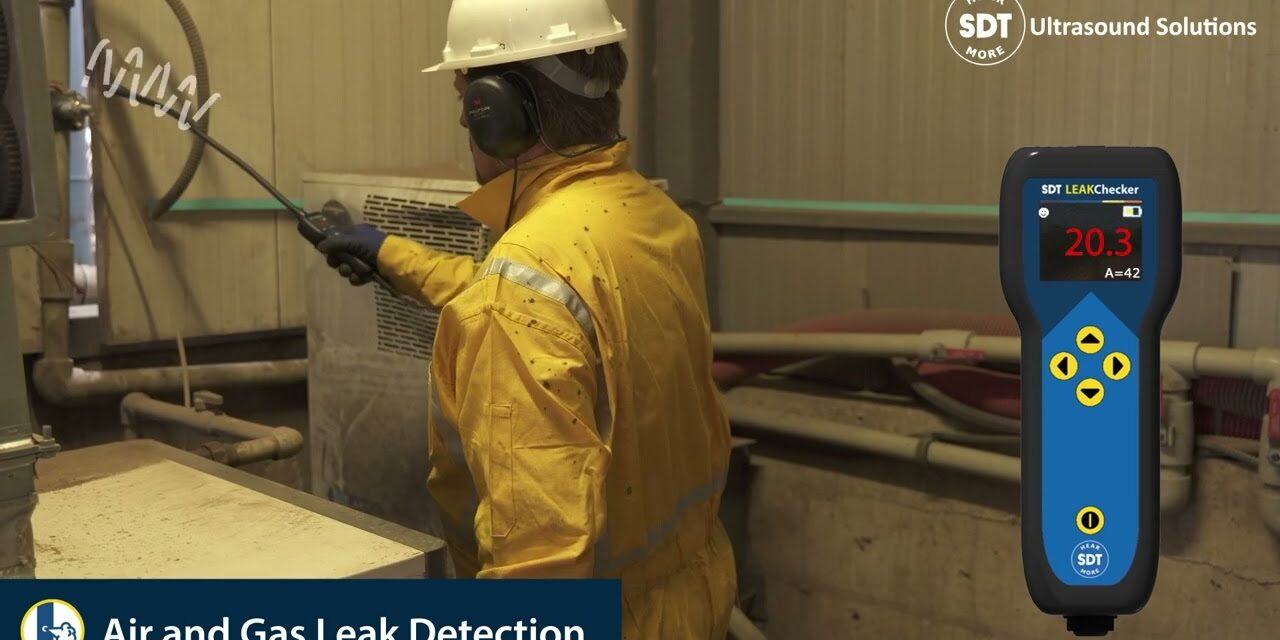
This is where an Ultrasonic Leak Detector becomes an essential predictive maintenance tool. By detecting high-frequency ultrasonic sound generated by escaping compressed air, engineers can quickly locate hidden leaks without shutting down production. Among the most practical and user-friendly solutions available today is the SDT LeakChecker, designed specifically for fast, accurate, and reliable compressed air leak detection.
In this complete guide, you’ll learn how compressed air leaks occur, why industries should detect them early, how ultrasonic leak detectors work, and why the SDT LeakChecker is an ideal solution for industrial maintenance teams.
SDT Ultrasound Solutions for Condition Monitoring & Fault Detection
What is Compressed Air Leak Detection?
Compressed Air Leak Detection is the process of identifying unwanted air escaping from compressed air systems before it affects production efficiency, equipment reliability, and energy consumption.
Every compressed air system develops leaks over time due to:
- Loose pipe fittings
- Damaged hoses
- Worn seals
- Faulty valves
- Poor maintenance
- Vibration
- Corrosion
- Aging equipment
Although many leaks appear small, they collectively reduce system pressure and force compressors to operate longer than necessary.
Unlike water leaks, compressed air leaks are usually invisible and often impossible to hear inside industrial plants. This makes professional inspection equipment essential.
Modern industries now rely on Ultrasonic Leak Detectors because they identify leaks quickly without interrupting production.
Why Hidden Compressed Air Leaks Are Expensive
Many industries underestimate the financial impact of compressed air leaks.
A single leak may seem insignificant.
However, multiple small leaks can waste thousands of cubic meters of compressed air every month.
This leads to:
- Higher electricity bills
- Increased compressor running hours
- Higher maintenance costs
- Reduced compressor life
- Pressure fluctuations
- Lower production efficiency
- Increased carbon emissions
For example, even a small 3 mm leak can cost thousands of rupees annually depending on system pressure and compressor operating hours.
This is why compressed air systems should be inspected regularly as part of every predictive maintenance program.
Common Compressed Air Leak Detection Points
Maintenance engineers frequently find compressed air leaks in predictable locations.
Typical leak points include:
- Pipe joints
- Quick couplings
- Flexible hoses
- Ball valves
- Pneumatic cylinders
- Air preparation units (FRL)
- Solenoid valves
- Pressure regulators
- Compressor connections
- Air receiver tanks
- Drain valves
- Pressure gauges
- Pneumatic tools
- Automation equipment
Facilities operating in dusty environments such as cement plants or steel plants may experience even faster seal deterioration due to contamination.
Routine inspection helps identify these problems before they become expensive failures.
Why Traditional Compressed Air Leak Detection Methods Fail
Many plants still inspect compressed air systems using outdated techniques.
These include:
- Listening for hissing sounds
- Soap water testing
- Visual inspection
- Operator experience
Although these methods may occasionally locate large leaks, they are unreliable in modern industrial environments.
Common challenges include:
Noisy Production Areas
Compressors, motors, fans, and conveyors generate continuous background noise.
Small leaks become impossible to hear.
Hidden Pipework
Many compressed air lines are installed:
- Above ceilings
- Behind machinery
- Inside cable trenches
- Along pipe racks
Visual inspection becomes difficult.
Production Shutdowns
Some inspection methods require production to stop.
This increases downtime.
Human Error
Leak detection depends heavily on operator experience.
Different technicians may produce different results.
These limitations make traditional methods inefficient for modern industries focused on predictive maintenance.
How Does an Ultrasonic Leak Detector Work?
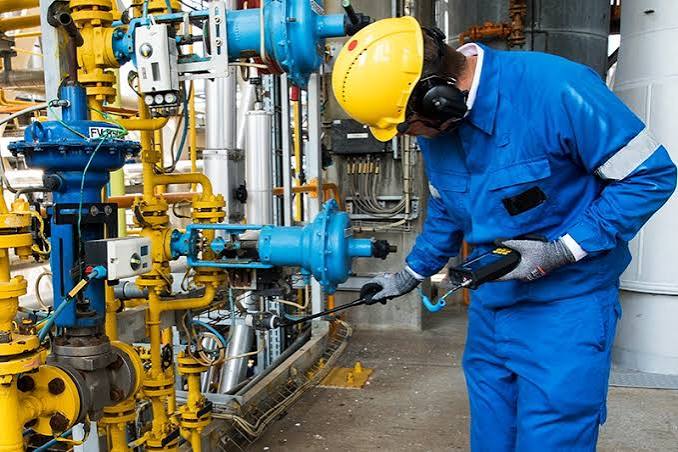
An Ultrasonic Leak Detector identifies high-frequency sound generated by escaping compressed air.
When compressed air escapes through even a tiny opening, turbulence creates ultrasonic frequencies far above the range of human hearing.
An ultrasonic leak detector captures these frequencies and converts them into:
- Audible sound
- Visual signal strength
- Leak intensity indication
Instead of searching randomly, maintenance engineers simply scan the compressed air system.
As they move closer to the leak source, the ultrasonic signal becomes stronger, allowing them to pinpoint the exact location quickly and accurately.
This technology works even in noisy industrial environments because background mechanical noise usually occurs at much lower frequencies.
Learn more about Ultrasound Technology from the official SDT website: SDT Ultrasound Technology
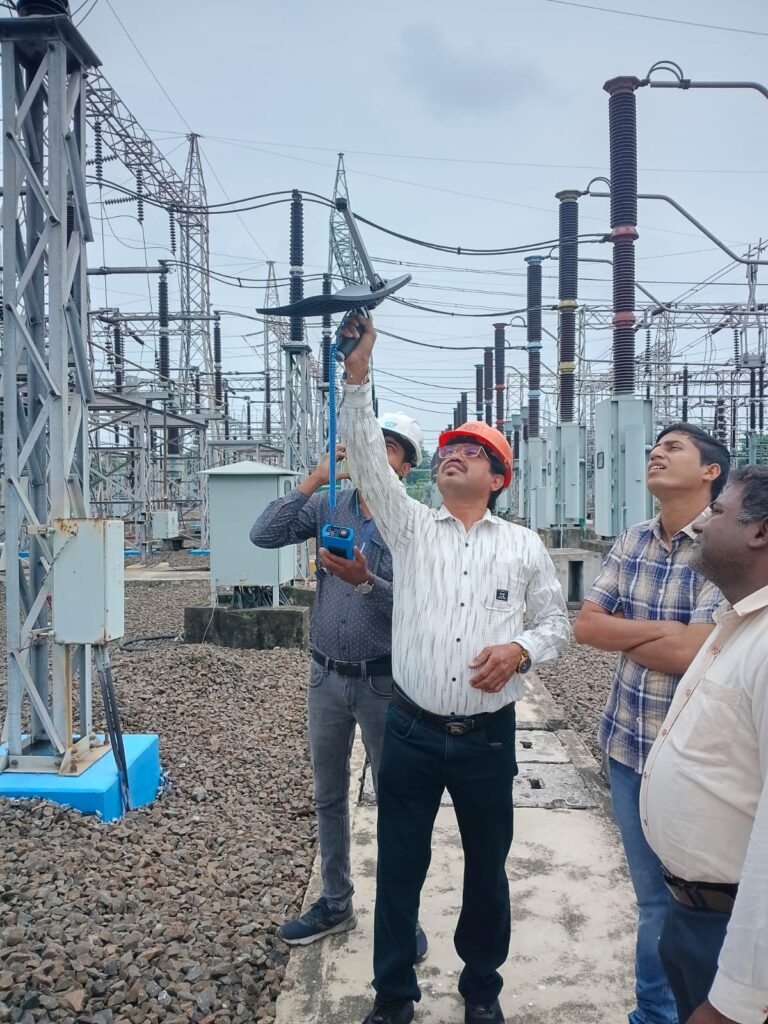
Introducing the SDT LeakChecker
The SDT LeakChecker is a portable ultrasonic leak detector designed for fast and reliable compressed air inspections.
Unlike large multifunction condition monitoring instruments, the LeakChecker focuses specifically on rapid leak detection, making it an excellent choice for daily maintenance activities.
It helps maintenance teams:
- Locate compressed air leaks
- Detect gas leaks
- Find vacuum leaks
- Reduce energy losses
- Improve maintenance efficiency
Its compact design allows technicians to carry it throughout the plant and inspect large compressed air networks quickly without disrupting production.
Key Features of the SDT LeakChecker
The SDT LeakChecker offers several advantages for industrial maintenance teams.
Fast Leak Detection
Locate hidden leaks within seconds.
Simple Operation
Easy for both experienced engineers and new maintenance technicians.
Portable Design
Lightweight and comfortable for daily inspections.
High Sensitivity
Detects even very small compressed air leaks.
No Production Shutdown Required
Inspection can be performed while equipment remains operational.
Energy Saving
Helps reduce electricity consumption by eliminating compressed air losses.
Supports Predictive Maintenance
Identify problems before they become costly failures.
Also Read: LUBExpert – The Difference is in the Details
Why Industries Choose the SDT LeakChecker
The SDT LeakChecker is widely used because it delivers quick, reliable, and repeatable results without requiring complex setup or advanced training.
Whether you’re inspecting a single compressor room or an entire manufacturing facility, it provides maintenance teams with a practical way to reduce energy waste and improve compressed air system performance.
Benefits of SDT LeakChecker for Compressed Air Leak Detection
Industrial facilities spend a significant amount of money generating compressed air. Even a small leak can force compressors to run longer, consume more electricity, and reduce the overall efficiency of the system. By implementing regular Compressed Air Leak Detection using the SDT LeakChecker, industries can achieve measurable improvements in reliability, energy efficiency, and maintenance performance.
1. Reduce Energy Consumption
Compressed air leaks continuously waste compressed air, even when production is not running at full capacity. Detecting and repairing leaks allows compressors to operate more efficiently, reducing unnecessary electricity consumption and lowering operating costs.
2. Lower Maintenance Costs
Undetected leaks increase compressor running hours, resulting in additional wear on motors, bearings, filters, and cooling systems. Early leak detection helps reduce maintenance frequency and extends equipment life.
3. Improve Equipment Reliability
A stable compressed air system provides consistent air pressure to pneumatic cylinders, actuators, valves, and automation systems. This improves production quality while reducing unexpected machine stoppages.
4. Increase Compressor Life
When leaks are repaired, compressors cycle less frequently and experience lower operating stress. This extends compressor lifespan and reduces expensive repair costs.
5. Support Predictive Maintenance Programs
The SDT LeakChecker enables maintenance engineers to identify problems before they become failures. Instead of waiting for pressure loss or production interruptions, maintenance teams can schedule repairs during planned shutdowns.
Industries Using Compressed Air Leak Detection
The SDT LeakChecker is suitable for almost every industry that uses compressed air systems.
Cement Plants
Compressed air powers packing machines, pneumatic conveying systems, valves, and automation equipment. Regular leak detection improves production efficiency while reducing energy costs.
Steel Plants
Steel manufacturing facilities use compressed air for instrumentation, automation, blast furnace operations, and pneumatic tools. Leak detection improves reliability while reducing compressor load.
Power Plants
Power stations rely on compressed air for valve operation, instrumentation, ash handling systems, and maintenance activities. Detecting leaks helps improve plant efficiency and reduce operating costs.
Pharmaceutical Industry
Compressed air quality directly affects production processes. Leak detection ensures reliable operation while minimizing contamination risks and unnecessary energy losses.
Food & Beverage Industry
Compressed air is widely used for packaging, conveying, and process automation. Efficient compressed air systems improve product quality and operational reliability.
Automotive Manufacturing
Automotive production lines use compressed air extensively for robotic systems, pneumatic tools, painting, and assembly operations. Leak detection supports continuous production and energy savings.
Textile Industry
Compressed air operates looms, cleaning systems, and automation equipment. Reducing leaks lowers energy consumption and improves production efficiency.
Typical Applications of the SDT LeakChecker
The SDT LeakChecker is commonly used for:
- Compressed Air Leak Detection
- Gas Leak Detection
- Vacuum Leak Detection
- Pneumatic System Inspection
- Valve Leak Inspection
- Pipe Joint Inspection
- Quick Coupling Inspection
- Hose Inspection
- Air Receiver Inspection
- Compressor Room Surveys
Its portability makes it ideal for daily inspection routines across industrial facilities.
Best Practices for Compressed Air Leak Detection
To maximize the benefits of leak detection, industries should establish a structured inspection program.
Schedule Regular Surveys
Inspect compressed air systems every 6–12 months, depending on plant size and operating conditions.
Prioritize Critical Equipment
Focus on:
- Compressor rooms
- Main air headers
- Pneumatic machinery
- High-pressure pipelines
- Automation systems
Record Every Leak
Maintain inspection reports including:
- Leak location
- Leak severity
- Repair status
- Inspection date
- Responsible technician
This helps monitor improvements over time.
Repair Leaks Promptly
Small leaks become larger over time. Repairing them quickly prevents unnecessary energy losses and reduces compressor operating hours.
Why Choose Agile Microsys Pvt. Ltd.?
Agile Microsys Pvt. Ltd. provides advanced industrial solutions focused on reliability, safety, and predictive maintenance.
Our expertise includes:
- SDT LeakChecker Solutions
- SDT Ultrasound Instruments
- SonaVu Acoustic Camera
- Compressed Air Leak Detection
- Partial Discharge Inspection
- Steam Trap Inspection
- Bearing Condition Monitoring
- Online Thermal Monitoring Systems
- Thermal Imaging Solutions
- RTV Silicone Coating Services
- Predictive Maintenance Consulting
Our experienced team helps industries identify hidden equipment problems before they lead to expensive failures, improving plant reliability and reducing maintenance costs.
Recommended Reading: How Partial Discharge Testing Prevents Transformer and Switchgear Failures
Conclusion
Hidden compressed air leaks may appear insignificant, but they represent one of the largest sources of wasted energy in industrial facilities. Left unattended, they increase electricity consumption, reduce compressor efficiency, shorten equipment life, and increase maintenance costs.
The U.S. Department of Energy explains how compressed air systems affect industrial energy efficiency: Compressed Air Energy Efficiency
Using an Ultrasonic Leak Detector such as the SDT LeakChecker enables maintenance teams to locate hidden leaks quickly, accurately, and safely without interrupting production. By incorporating regular compressed air inspections into a predictive maintenance program, industries can significantly improve equipment reliability while reducing operating expenses.
Whether you operate a cement plant, steel plant, power station, pharmaceutical facility, or manufacturing unit, implementing professional Compressed Air Leak Detection is a simple yet highly effective step toward better energy efficiency and long-term asset reliability.
If your organization is looking for reliable compressed air leak detection solutions, Agile Microsys Pvt. Ltd. is ready to support your predictive maintenance journey with SDT ultrasound technology and industry-leading expertise.
Read Next: Thermal Imaging for Electrical Maintenance: Hotspot Detection & Fire Prevention
Frequently Asked Questions (FAQs)
What is an Ultrasonic Leak Detector?
An Ultrasonic Leak Detector identifies high-frequency sound produced by escaping compressed air, allowing engineers to locate hidden leaks accurately.
What is the SDT LeakChecker used for?
The SDT LeakChecker is designed for:
- Compressed Air Leak Detection
- Gas Leak Detection
- Vacuum Leak Detection
- Industrial Maintenance
Can compressed air leaks be detected while production is running?
Yes. The SDT LeakChecker allows inspections to be performed during normal plant operation without shutting down equipment.
How often should compressed air systems be inspected?
Industrial facilities should perform compressed air leak inspections every 6 to 12 months or according to their predictive maintenance program.
Which industries use the SDT LeakChecker?
The SDT LeakChecker is widely used in:
- Cement Plants
- Steel Plants
- Power Plants
- Oil & Gas
- Food & Beverage
- Pharmaceutical
- Automotive
- Textile
- Utilities
- Manufacturing Industries
Contact Agile Microsys Pvt. Ltd.
Need expert solutions for RTV Panel Coating, RTV Silicone Coating, Thermal Monitoring, Partial Discharge Testing, or Condition Monitoring?
Website: https://agilemicrosys.com
YouTube: https://www.youtube.com/@AgileMicrosys
LinkedIn: https://www.linkedin.com/company/agilemicrosys
Phone: +91-9582931318
Email: marketing@agilemicrosys.com