RTV Panel Coating has become one of the most effective preventive maintenance solutions for industrial substations. Industrial substations are expected to operate continuously in some of the harshest environments imaginable. Dust, industrial pollution, humidity, chemical vapors, salt deposits, and seasonal weather changes constantly attack electrical equipment, gradually reducing insulation performance and increasing the risk of electrical failures. While most maintenance programs focus on transformers, insulators, switchgear, and circuit breakers, one critical asset is often overlooked—electrical control panels. These panels house the essential electrical components that control, monitor, and protect the entire power system. Even a minor insulation problem inside or on the surface of a panel can lead to unexpected shutdowns, equipment damage, or costly production losses.
One proven solution for protecting outdoor electrical panels is RTV Silicone Coating for Electrical Panels. RTV (Room Temperature Vulcanizing) Silicone Coating forms a highly durable hydrophobic protective layer that prevents moisture accumulation, contamination, leakage current, and flashover. It significantly improves insulation reliability while reducing maintenance requirements. Utilities, transmission companies, renewable energy plants, steel industries, cement plants, railways, and power distribution organizations are increasingly adopting RTV Silicone Coating as part of their preventive maintenance strategy.
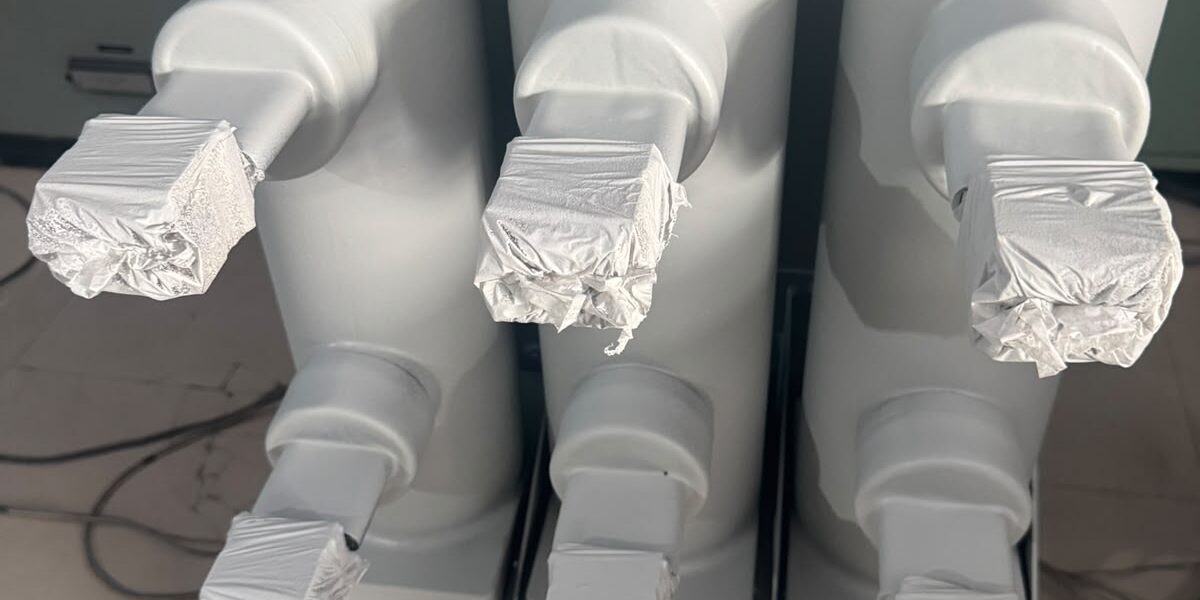
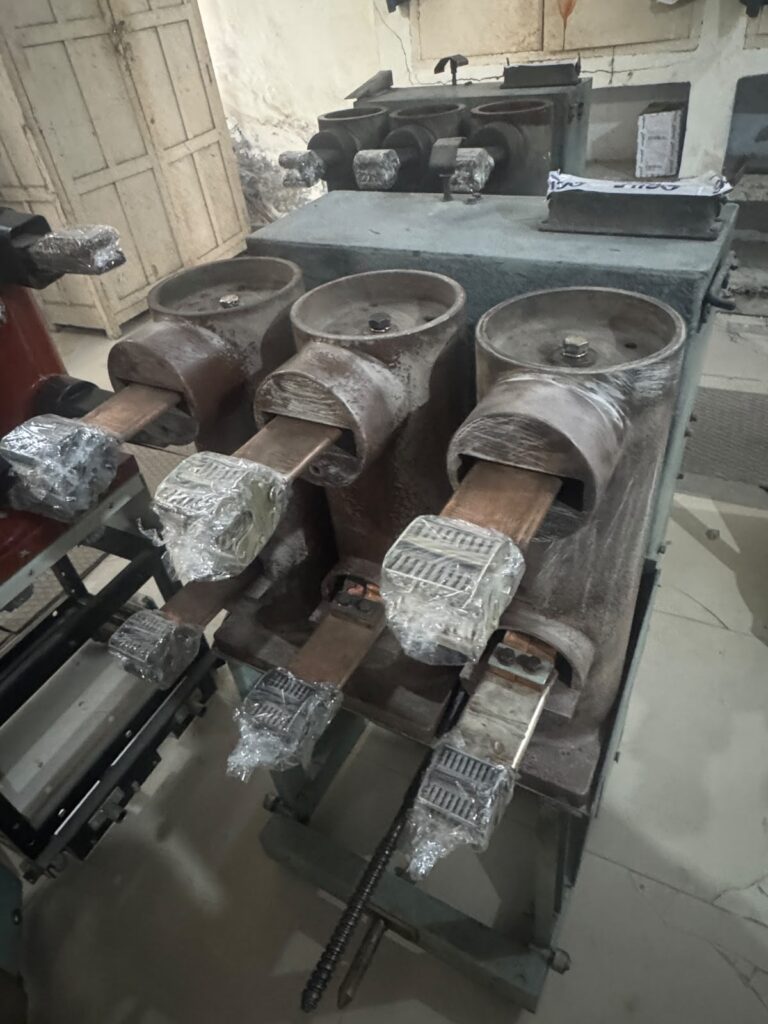
A practical example of this approach is the successful PSPCL Guru Harsahai Bathinda Panel Coating Project, where Agile Microsys Pvt. Ltd. carried out professional RTV Silicone Coating on outdoor electrical panels to improve long-term operational reliability. This article explains why electrical panels require additional protection, how RTV Silicone Coating works, and why it has become one of the most effective preventive maintenance solutions for pollution-prone substations.
What Is RTV Silicone Coating for Electrical Panels?
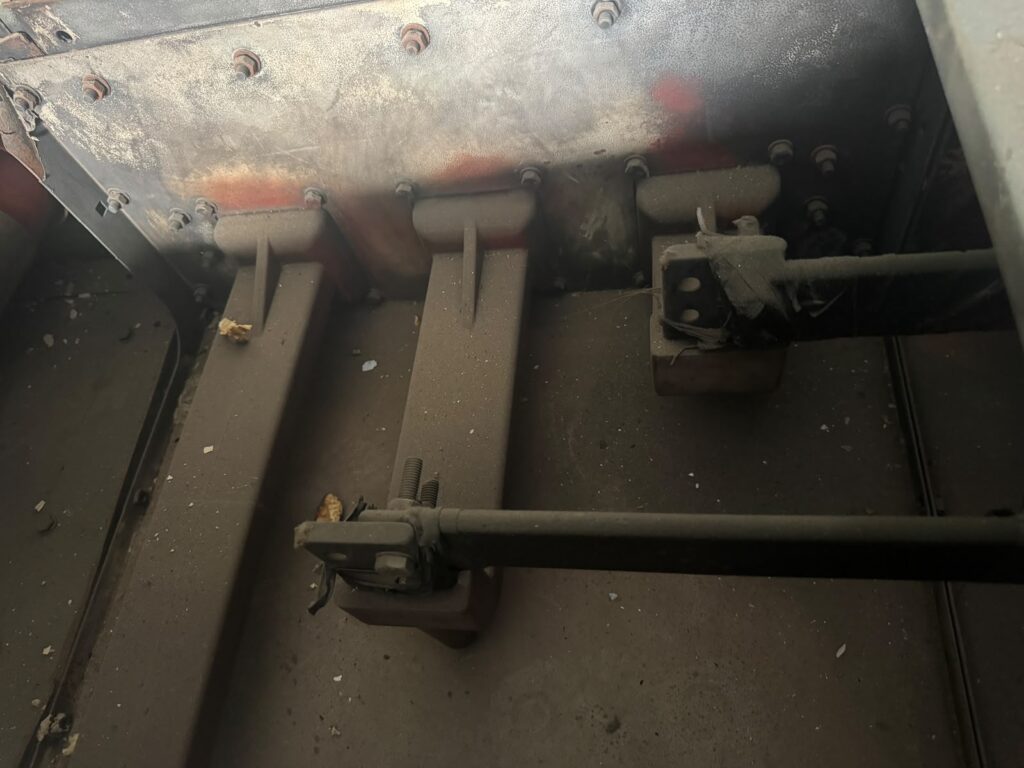
Electrical panels installed in substations, switchyards, renewable energy facilities, and industrial plants remain exposed to environmental contamination throughout the year. Dust particles, moisture, industrial pollutants, bird droppings, chemical deposits, and airborne contaminants gradually accumulate on exposed panel surfaces. These contaminants reduce the insulating properties of the panel and increase surface conductivity, particularly during fog, rain, or humid weather.
RTV Panel Coatingis a specially formulated silicone rubber coating that cures at room temperature to create a flexible, durable, and hydrophobic insulating layer. Unlike ordinary paints or protective coatings, RTV Silicone Coating continuously repels water from the coated surface. Instead of forming a continuous conductive water film, moisture breaks into small droplets that roll off the surface, carrying dirt and contaminants away.
Another important characteristic of RTV Silicone Coating is its ability to maintain hydrophobicity even after years of exposure. Silicone molecules gradually migrate toward the surface, restoring the water-repellent property even after minor contamination. This phenomenon, known as hydrophobicity recovery, is one of the primary reasons RTV coatings perform exceptionally well in outdoor electrical applications.
The coating also provides excellent resistance against ultraviolet radiation, ozone, industrial pollution, salt contamination, and temperature fluctuations. Because of these properties, RTV Silicone Coating has become an internationally accepted solution for protecting high-voltage insulation systems and electrical equipment operating in demanding environmental conditions.
Why Outdoor Electrical Panels Need Additional Protection
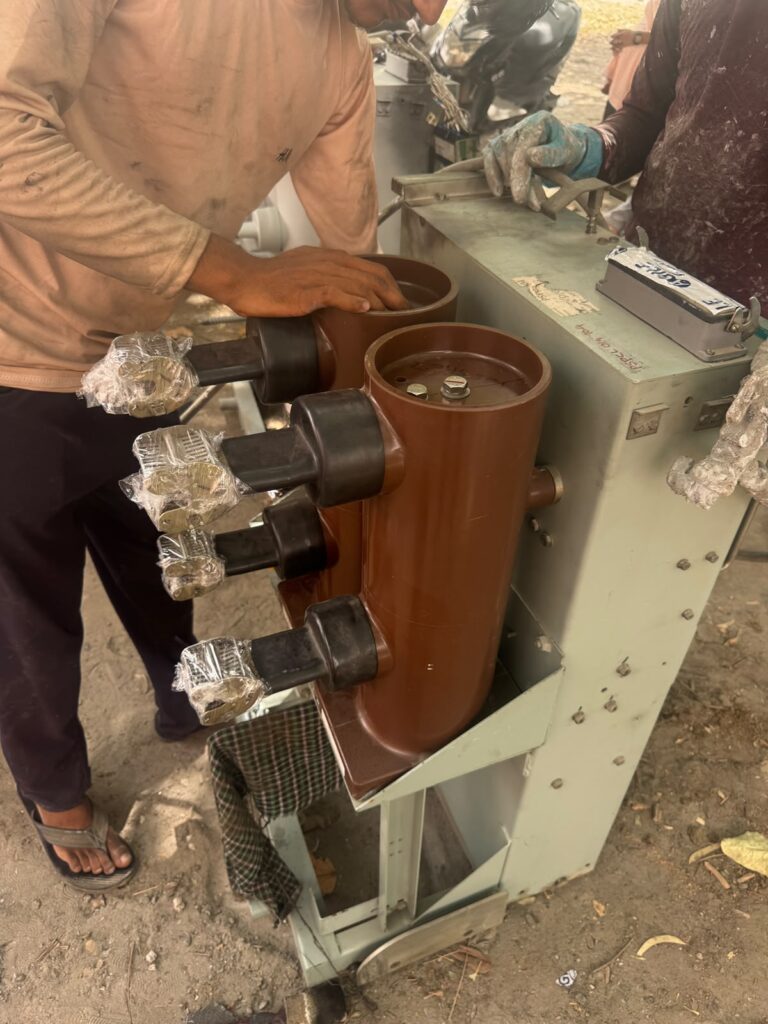
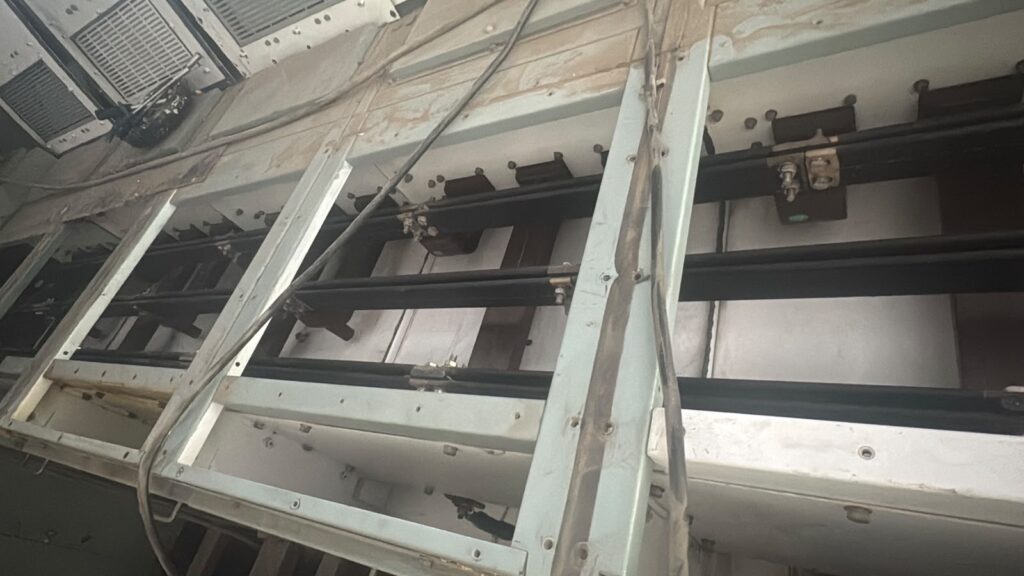
Many engineers assume that electrical panels already have sufficient protection because they are manufactured with weatherproof enclosures. While enclosure protection prevents direct water ingress, it does not eliminate the gradual deterioration caused by surface contamination. External panel surfaces continuously collect airborne pollutants that become conductive when combined with moisture.
Over time, contamination creates leakage current paths across panel surfaces. This leakage current generates localized heating and electrical stress, accelerating insulation ageing. During high humidity or rainy seasons, the problem becomes significantly worse because the accumulated contamination retains moisture and creates ideal conditions for surface discharge.
Outdoor substations located near industries, highways, coastal regions, agricultural areas, or thermal power plants are particularly vulnerable. Cement dust, fly ash, chemical vapors, coal dust, fertilizer particles, and salt deposits continuously settle on electrical equipment. Cleaning alone often provides only temporary relief because contamination quickly returns.
Electrical panels are especially important because they contain protection relays, control circuits, monitoring systems, communication equipment, and auxiliary power supplies. A failure in these panels can affect multiple electrical systems simultaneously, leading to operational interruptions far beyond the panel itself.
Applying RTV Panel Coating provides an additional insulating barrier that dramatically reduces contamination-related failures while extending equipment service life.
Common Problems in Pollution-Prone Substations
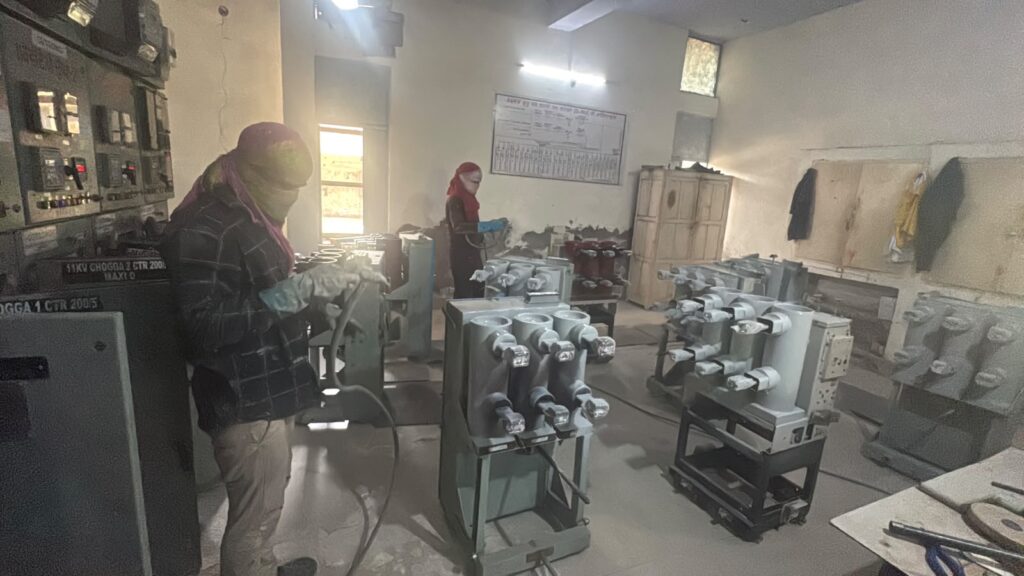
Electrical substations operating in polluted environments experience several recurring maintenance challenges. Although these issues develop gradually, they often remain unnoticed until a significant fault occurs.
One of the most common problems is surface contamination, where dust and industrial particles accumulate on equipment over several months. During dry weather, these deposits may appear harmless. However, once humidity increases, the contaminants absorb moisture and become electrically conductive.
Another challenge is leakage current. As conductive contamination spreads across equipment surfaces, small electrical currents begin flowing where they should not. Although initially minor, these currents generate heat that accelerates insulation degradation and increases the probability of electrical tracking.
Electrical tracking occurs when repeated leakage current creates carbonized conductive paths across insulation surfaces. These tracks gradually extend until insulation strength is permanently damaged. If not addressed, tracking can eventually result in flashover or equipment failure.
Moisture-related corrosion is another major concern. Condensation combined with industrial pollution accelerates corrosion of metallic surfaces, connectors, mounting hardware, and exposed panel components. Corrosion increases contact resistance, creating additional heating and reducing overall system reliability.
Maintenance teams also face increasing operational costs because contaminated equipment requires frequent manual cleaning. In many substations, cleaning intervals become shorter every year as pollution levels increase. Frequent shutdowns for cleaning reduce system availability while increasing maintenance expenses.
These challenges explain why utilities worldwide are shifting from reactive cleaning programs toward preventive solutions such as RTV Silicone Coating that provide long-term protection rather than temporary improvements.
How RTV Silicone Coating Improves Reliability in Polluted Industrial Environments
How RTV Silicone Coating Prevents Electrical Panel Failures
The effectiveness of RTV Silicone Coating lies in its ability to interrupt the chain of events that normally leads to insulation failure. Instead of allowing contaminants and moisture to form conductive films, the silicone coating creates a water-repellent surface that prevents continuous current paths from developing.
When rain or fog reaches a coated panel, water forms discrete droplets rather than spreading across the surface. Since these droplets remain isolated, electrical conduction is significantly reduced. Leakage current remains extremely low, minimizing electrical stress on insulation.
RTV Silicone Coating also delays contamination build-up. Dust particles adhere less strongly to hydrophobic silicone surfaces, allowing natural rainfall to remove a substantial portion of accumulated contaminants. This self-cleaning characteristic reduces maintenance frequency while preserving insulation performance.
Another significant advantage is improved resistance against ultraviolet radiation and weather ageing. Conventional protective coatings often crack, peel, or lose effectiveness after prolonged outdoor exposure. RTV Silicone Coating remains flexible under thermal expansion and contraction, maintaining long-term adhesion even in challenging climates.
Because the coating minimizes leakage current, tracking, contamination, and moisture-related deterioration simultaneously, it provides comprehensive protection rather than addressing only one failure mechanism. This makes it particularly valuable for electrical panels operating in heavily polluted industrial substations.
PSPCL Guru Harsahai Bathinda Panel Coating Project
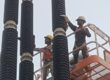
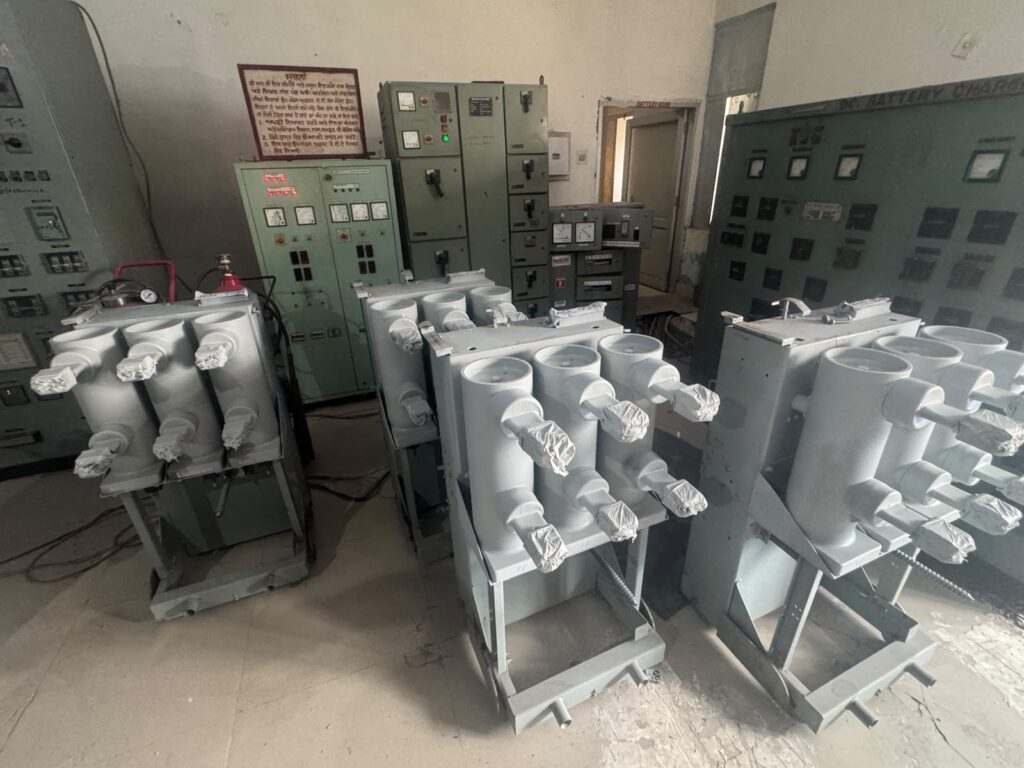
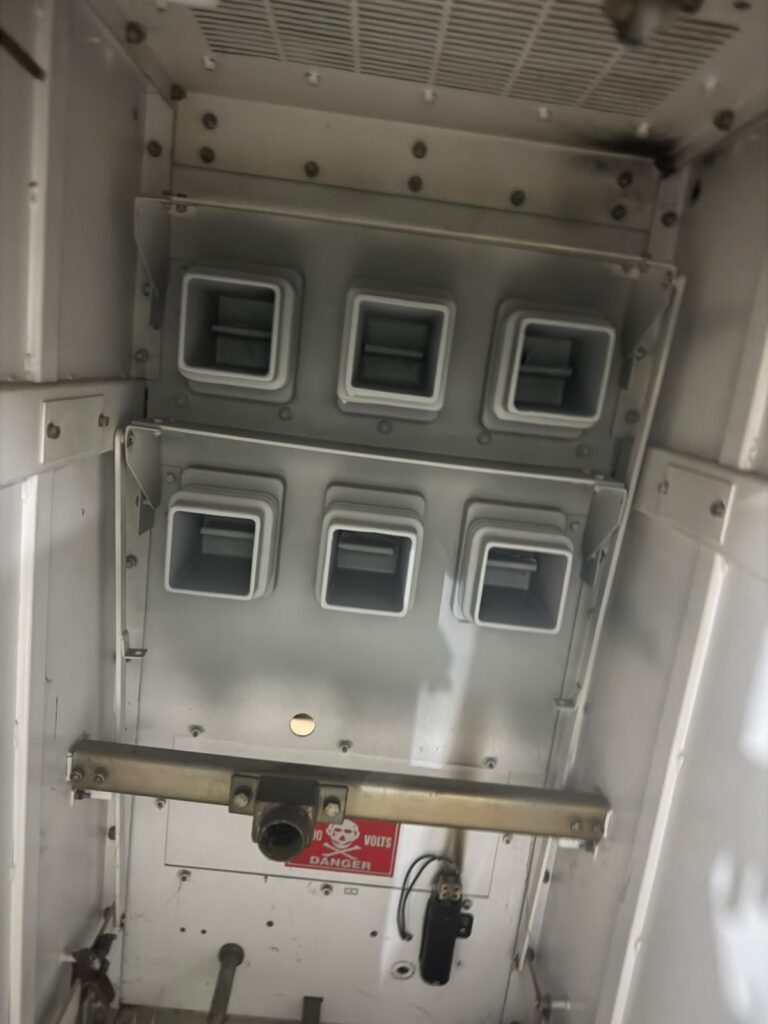
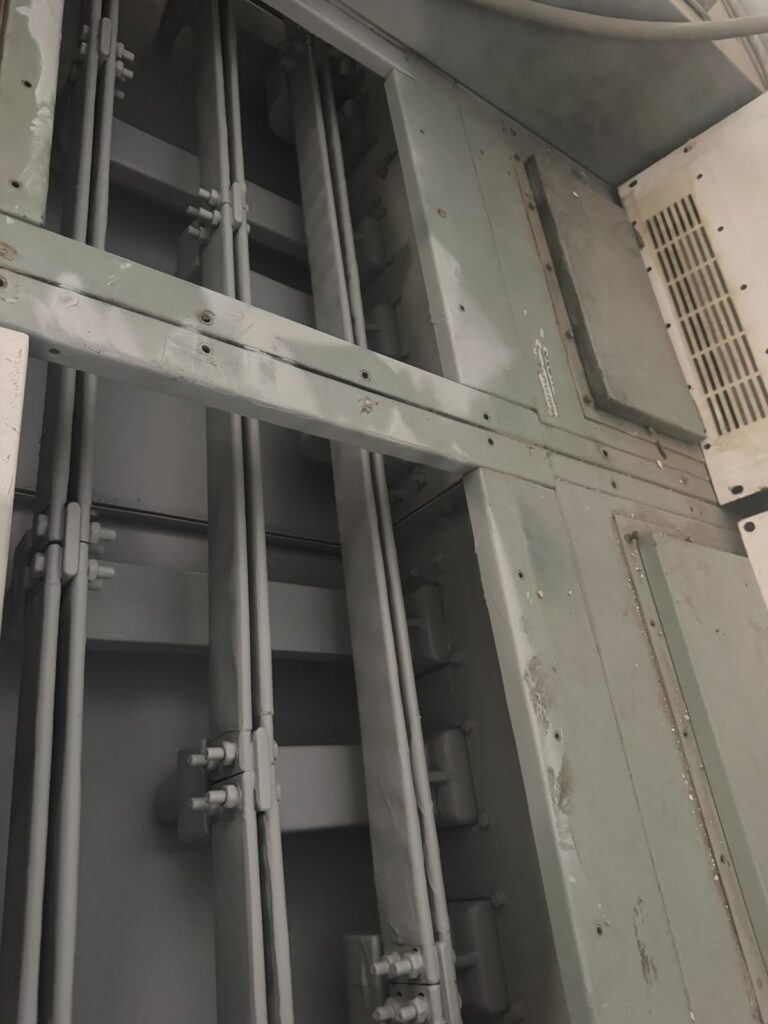
One excellent demonstration of this technology was the PSPCL Guru Harsahai Bathinda Panel Coating Project, where Agile Microsys Pvt. Ltd. successfully applied RTV Silicone Coating on outdoor electrical panels operating under demanding environmental conditions.
The objective of the project was not merely to apply a protective coating but to enhance long-term electrical reliability while reducing maintenance requirements. Prior to coating, every panel underwent detailed surface inspection to identify contamination levels, existing defects, and preparation requirements. Proper surface cleaning and preparation were carried out to ensure maximum adhesion of the silicone coating.
The RTV Silicone Coating was then applied using controlled professional techniques to achieve uniform coverage and the recommended dry film thickness. Quality inspection was performed throughout the application process, ensuring complete surface protection without missed areas or coating defects.
Following completion, the coated panels gained an additional hydrophobic insulating layer capable of resisting moisture, industrial contamination, and environmental ageing. The project reflects Agile Microsys Pvt. Ltd.’s commitment to delivering preventive maintenance solutions that improve equipment reliability while helping utilities reduce long-term maintenance costs.
How RTV Silicone Coating Is Applied on Electrical Panels
Applying RTV Silicone Coating for Electrical Panels is a systematic process that requires technical expertise, proper surface preparation, and strict quality control. Simply spraying silicone onto a contaminated panel is not enough. If the surface is not properly cleaned or prepared, the coating may not adhere correctly, reducing its long-term performance. This is why professional application by experienced engineers is essential.
The first stage involves a detailed visual inspection of the panel. Engineers examine the equipment for contamination, corrosion, loose components, existing insulation damage, moisture ingress, and surface defects. Any issue that could affect coating performance is identified before work begins. The panel is then cleaned thoroughly to remove dust, grease, oil, industrial pollution, bird droppings, and any loose contaminants. Surface preparation ensures maximum bonding between the RTV Silicone Coating and the electrical panel.
Once the surface is completely dry, the RTV Silicone Coating is applied using specialized spray equipment to achieve uniform coverage. The coating thickness is carefully controlled according to the manufacturer’s recommendations. Engineers inspect every corner, joint, and exposed insulating surface to ensure no area remains unprotected. After application, the coating is allowed to cure at room temperature, forming a durable silicone rubber layer that provides long-lasting insulation and hydrophobic protection.
To ensure quality, Dry Film Thickness (DFT) measurements and visual inspections are performed after curing. The completed panel is then ready for service with significantly improved protection against pollution, moisture, leakage current, and environmental ageing. This systematic approach was successfully followed during the PSPCL Guru Harsahai Bathinda Panel Coating Project, ensuring reliable long-term protection for outdoor electrical panels.
Benefits of RTV Silicone Coating for Electrical Panels
The advantages of RTV Silicone Coating for Electrical Panels extend far beyond simple weather protection. It is a preventive maintenance solution that directly improves equipment reliability, operational safety, and lifecycle cost.
One of the biggest benefits is excellent hydrophobic performance. The silicone surface continuously repels water, preventing the formation of conductive moisture films. This dramatically reduces leakage current and minimizes electrical stress on insulation surfaces. Even after prolonged outdoor exposure, the coating maintains its water-repellent characteristics through hydrophobicity recovery, ensuring consistent performance for years.
Another significant advantage is reduced maintenance frequency. Traditional substations often require repeated manual cleaning because contamination rapidly accumulates on electrical equipment. RTV Silicone Coating minimizes contamination adhesion and allows natural rainfall to remove much of the deposited dirt. This reduces maintenance shutdowns, labor costs, and cleaning expenses.
The coating also improves equipment reliability by reducing insulation degradation caused by pollution and moisture. Lower leakage current means reduced tracking, lower surface heating, and decreased probability of flashover. As a result, electrical panels operate more reliably under severe environmental conditions.
Utilities and industrial plants also benefit from extended equipment life. Protecting panel surfaces against contamination and weather ageing slows insulation deterioration and reduces premature equipment replacement. Instead of investing in expensive repairs or emergency maintenance, organizations can maximize the service life of existing assets.
From an operational perspective, RTV Silicone Coating supports predictive maintenance programs. Rather than reacting to failures after they occur, utilities proactively protect critical electrical equipment, improving network stability and reducing unplanned outages.
Read our detailed guide on RTV Silicone Coating vs Insulator Washing:
RTV Silicone Coating vs Insulator Washing: Which Solution Offers Better Long-Term Protection?
Benefits of RTV Silicone Coating for Electrical Panels
Although RTV Silicone Coating was originally developed for high-voltage insulators, its applications now extend across numerous industries where outdoor electrical equipment faces contamination-related challenges.
Power transmission and distribution companies use RTV Silicone Coating to protect outdoor control panels, relay panels, junction boxes, and auxiliary equipment installed in substations. Renewable energy facilities such as solar and wind farms apply RTV coating to outdoor electrical enclosures exposed to dust, humidity, and changing weather conditions.
Heavy industries including steel plants, cement plants, mining operations, aluminum smelters, fertilizer plants, and chemical industries also benefit significantly. These facilities operate in highly polluted environments where airborne dust and industrial contaminants continuously attack electrical equipment.
Railway traction substations, metro rail systems, ports, coastal installations, and marine industries face additional challenges from salt contamination and high humidity. RTV Silicone Coating provides an effective barrier against these aggressive environmental conditions, helping maintain reliable operation of electrical panels throughout the year.
By applying RTV Silicone Coating across different sectors, organizations improve electrical safety while reducing operational risk and maintenance costs.
Why Choose Agile Microsys Pvt. Ltd. for RTV Silicone Coating?
Selecting the right application partner is just as important as selecting the coating itself. Agile Microsys Pvt. Ltd. specializes in industrial reliability, predictive maintenance, and electrical asset protection solutions for utilities and industrial customers across India.
Every RTV Silicone Coating project begins with a comprehensive site assessment to understand environmental conditions, contamination severity, equipment configuration, and maintenance objectives. Based on this assessment, engineers develop an application strategy that ensures optimal coating performance.
Agile Microsys follows professional application procedures that include detailed surface preparation, controlled coating thickness, quality inspection, and DFT verification wherever applicable. Every project is executed according to industry best practices to maximize coating life and long-term reliability.
The company’s experience across transmission utilities, power plants, railways, cement plants, steel industries, renewable energy facilities, and industrial substations enables it to deliver customized solutions for a wide range of operating environments. Successful projects, including the PSPCL Guru Harsahai Bathinda Panel Coating Project, demonstrate the company’s commitment to engineering excellence and customer satisfaction.
Beyond RTV Silicone Coating, Agile Microsys also provides thermal imaging, online thermal monitoring systems, SDT ultrasound inspection, partial discharge testing, and condition monitoring solutions, helping customers implement complete predictive maintenance programs under one roof.
You may also like:
RTV Silicone Coating on Current Transformers and Reactors
Best Practices for Long-Term RTV Coating Performance
Although RTV Silicone Coating significantly reduces maintenance requirements, regular inspections remain essential to maximize its service life. Periodic visual inspections should be conducted to check for mechanical damage, excessive contamination, or unusual environmental conditions.
Operators should avoid using abrasive cleaning methods that may damage the silicone surface. Instead, inspections should focus on verifying coating integrity and identifying localized damage that may require touch-up application. Thermal imaging and condition monitoring can also be combined with RTV-coated equipment to verify overall electrical health without interrupting operations.
Maintaining accurate maintenance records allows utilities to evaluate coating performance over time and optimize future maintenance planning. By integrating RTV Silicone Coating with preventive inspection programs, organizations achieve higher reliability while minimizing lifecycle costs.
Conclusion
Electrical panels are among the most important components within any substation, yet they often receive less attention than transformers or high-voltage insulators. Continuous exposure to pollution, humidity, and industrial contamination gradually weakens insulation performance, increasing the likelihood of leakage current, tracking, flashover, and costly failures.
RTV Silicone Coating for Electrical Panels provides an effective long-term solution by creating a durable hydrophobic insulating layer that resists contamination, moisture, and environmental ageing. Instead of relying solely on repeated cleaning, utilities can adopt a preventive approach that improves reliability while reducing maintenance expenses.
The successful implementation of the PSPCL Guru Harsahai Bathinda Panel Coating Project demonstrates how professional RTV Silicone Coating application can enhance electrical equipment performance under demanding operating conditions. By combining proper surface preparation, quality application, and experienced engineering support, organizations can significantly improve substation reliability and extend equipment service life.
For industries seeking dependable protection for outdoor electrical panels, Agile Microsys Pvt. Ltd. continues to deliver advanced RTV Silicone Coating solutions backed by technical expertise, quality workmanship, and a strong commitment to predictive maintenance.
Learn more about electrical insulation standards from the IEEE: https://www.ieee.org
Learn more about international electrical standards from the IEC: https://www.iec.ch
Frequently Asked Questions (FAQs)
1. What is RTV Silicone Coating for Electrical Panels?
RTV Silicone Coating is a room-temperature curing silicone rubber coating that forms a hydrophobic insulating layer on electrical panels, protecting them from moisture, pollution, leakage current, and flashover.
2. Why do outdoor electrical panels require RTV Silicone Coating?
Outdoor panels are continuously exposed to dust, humidity, industrial pollution, salt contamination, and weather conditions that gradually reduce insulation performance. RTV Silicone Coating provides long-term protection against these environmental challenges.
3. How long does RTV Silicone Coating last?
The service life depends on environmental conditions, contamination levels, coating quality, and maintenance practices. Professionally applied RTV coatings typically provide reliable performance for many years.
4. Can RTV Silicone Coating reduce maintenance costs?
Yes. By minimizing contamination adhesion and leakage current, RTV Silicone Coating reduces cleaning frequency, lowers maintenance requirements, and helps prevent costly electrical failures.
5. Which industries commonly use RTV Silicone Coating?
Power transmission, distribution utilities, renewable energy plants, railways, steel plants, cement plants, chemical industries, mining operations, coastal installations, and industrial substations all benefit from RTV Silicone Coating for electrical equipment protection.
Contact Agile Microsys Pvt. Ltd.
Need expert solutions for RTV Panel Coating, RTV Silicone Coating, Thermal Monitoring, Partial Discharge Testing, or Condition Monitoring?
Website: https://agilemicrosys.com
YouTube: https://www.youtube.com/@AgileMicrosys
LinkedIn: https://www.linkedin.com/company/agilemicrosys
Phone: +91-9582931318
Email: marketing@agilemicrosys.com