Introduction
The RTV coating process plays an important role in protecting suitable electrical insulators exposed to dust, pollution, and moisture. It involves inspecting the insulators, preparing the surface, applying the coating according to the manufacturer’s instructions, and checking the finished coating quality. Proper application helps maintain hydrophobic properties and supports reliable electrical insulation maintenance.
RTV silicone coating is one solution used to improve the surface performance of suitable electrical insulators exposed to challenging environmental conditions. When correctly selected and applied, this coating can help maintain hydrophobic properties and reduce the risk of pollution-related flashover.
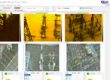
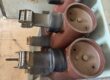
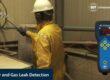
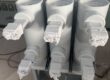
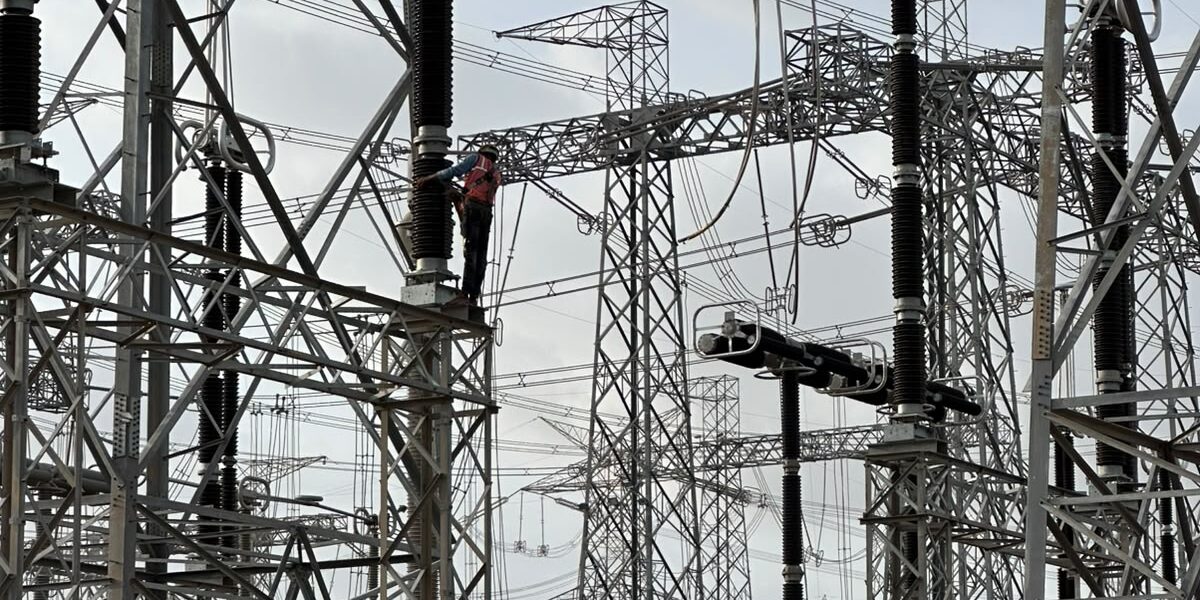
At Techno Bhuj, the RTV silicone coating application project provides a practical context for discussing the importance of surface preparation, controlled application, safety, and quality inspection during insulator coating work.
In this article, we explain the RTV coating process, why it matters, the key stages involved, and the checks that should be considered during electrical insulator maintenance.
What Is RTV Silicone Coating?
RTV stands for Room Temperature Vulcanizing. RTV silicone coating is a silicone-based protective coating that cures under specified environmental conditions without requiring conventional high-temperature vulcanization.
For suitable high-voltage insulators, RTV silicone coatings are used to provide a hydrophobic surface. Hydrophobicity helps water form droplets rather than spreading easily across the surface. This property can help limit the formation of continuous conductive water films on contaminated insulators.
The effectiveness of an RTV coating depends on several factors, including:
- The type and condition of the insulator
- The coating product selected for the application
- Surface cleanliness and preparation
- Application technique and coating coverage
- Environmental and operating conditions
- Curing requirements and subsequent inspection
RTV silicone coating should therefore be treated as a planned insulation-maintenance activity rather than simply applying a layer of material to an insulator.
Why Is RTV Silicone Coating Important for Electrical Insulators?
Electrical insulators operating in polluted or industrial environments can accumulate dust, salt, cement particles, chemical deposits, and other contaminants. When moisture interacts with contamination on the insulator surface, electrical performance may be affected.
Depending on the operating environment and insulation design, the resulting conditions can contribute to leakage current, dry-band arcing, surface tracking, or flashover.
RTV silicone coating may help address these challenges when the insulator and application conditions are suitable.
1. Helps Maintain Surface Hydrophobicity
One of the main functions of RTV silicone coating is to provide a water-repellent surface. This can help reduce the formation of continuous water films on an insulator under appropriate conditions.
2. Supports Pollution-Related Flashover Risk Management
Pollution and moisture can affect the electrical performance of outdoor insulators. A suitable RTV coating can form part of a broader insulation-management strategy to help reduce pollution-related flashover risk.
However, coating alone cannot eliminate every flashover risk. Correct insulation design, inspection, maintenance, and operating practices remain important.
3. Supports Insulator Maintenance Planning
A properly selected coating system can be considered as part of a planned maintenance programme for suitable insulators. Inspection and condition monitoring help determine whether the coating continues to perform as expected.
4. Can Reduce Dependence on Frequent Cleaning in Suitable Applications
Depending on pollution severity, coating condition, insulator design, and site requirements, RTV coating may help reduce the need for frequent cleaning. Actual cleaning intervals should be established through site-specific assessment and maintenance procedures.
RTV Silicone Coating Application at Techno Bhuj
The Techno Bhuj project provides the context for understanding the practical stages involved in applying RTV silicone coating to electrical insulation equipment.
A successful coating activity requires more than the spray application itself. The work should be planned around the condition of the insulators, the coating manufacturer’s instructions, site safety requirements, and the inspection procedures applicable to the equipment.
The exact project scope, number of insulators coated, coating specifications, application dates, and measured results should be included only when confirmed by project documentation.
For industrial and electrical maintenance teams, the key lesson is that surface preparation, application quality, safety, and inspection are essential considerations in RTV silicone coating work.
Step-by-Step RTV Silicone Coating Application Process
The RTV coating process involves several important stages. Following the correct RTV coating process helps maintenance teams inspect insulators, prepare surfaces, check environmental conditions, apply the coating, allow proper curing, and inspect the finished surface. Finally, the team should record the results according to the approved maintenance procedure.
Step 1: Inspect the Insulators Before Application
Before coating begins, the insulators should be examined to understand their existing condition.
The inspection may consider:
- Visible cracks, chips, or physical damage
- Surface contamination and deposits
- Signs of tracking or flashover
- Existing coating condition, if previously coated
- Accessibility and condition of the surrounding equipment
Damaged insulators should not automatically be treated as suitable for coating. Any defects requiring repair or replacement should be assessed by qualified personnel before the application proceeds.
Step 2: Prepare the Insulator Surface
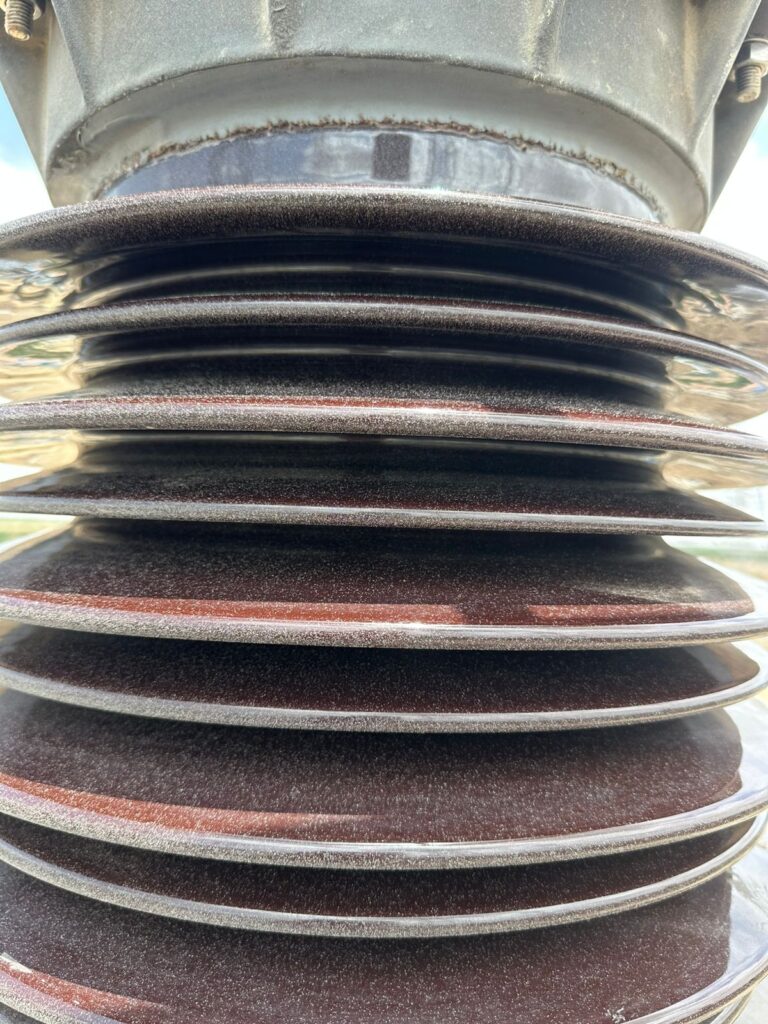
Surface preparation is a critical stage of the RTV silicone coating application process.
Dust, oil, loose contaminants, moisture, and unsuitable residues can affect coating adhesion and the final surface condition. The preparation method should be selected according to the insulator material, contamination type, approved work procedure, and coating manufacturer’s instructions.
Depending on the approved method, surface preparation may involve cleaning and allowing the surface to dry before coating.
Before application, the responsible team should verify that the surface meets the specified cleanliness and dryness requirements.
Why this step matters: Applying coating over an inadequately prepared surface can compromise coating quality and may lead to premature deterioration.
Step 3: Check the Application Conditions
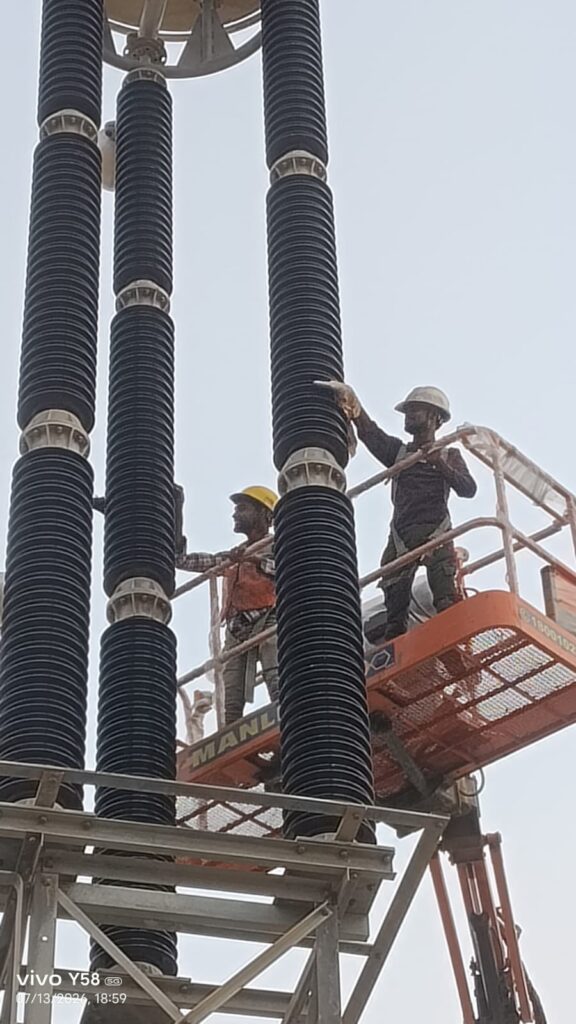
Environmental conditions can influence coating application and curing.
Before spraying, the team should check the conditions specified in the product technical data sheet, which may include:
- Ambient temperature
- Surface temperature
- Relative humidity
- Risk of condensation or moisture
- Wind conditions and ventilation
- Restrictions related to rain, dust, or airborne contamination
The application should not proceed if the conditions fall outside the approved limits.
These checks help the team plan the work and avoid preventable application problems.
Step 4: Prepare the RTV Silicone Coating Material
The coating material should be verified before use to confirm that it is suitable for the intended application.
The responsible team should check the product identification, shelf life, storage condition, preparation requirements, and any instructions for mixing or handling.
Only the preparation method specified by the manufacturer should be followed. Material should not be diluted, mixed, or modified unless the product instructions expressly permit it.
Appropriate personal protective equipment and material-handling precautions must be followed throughout the process.
Step 5: Apply the RTV Silicone Coating
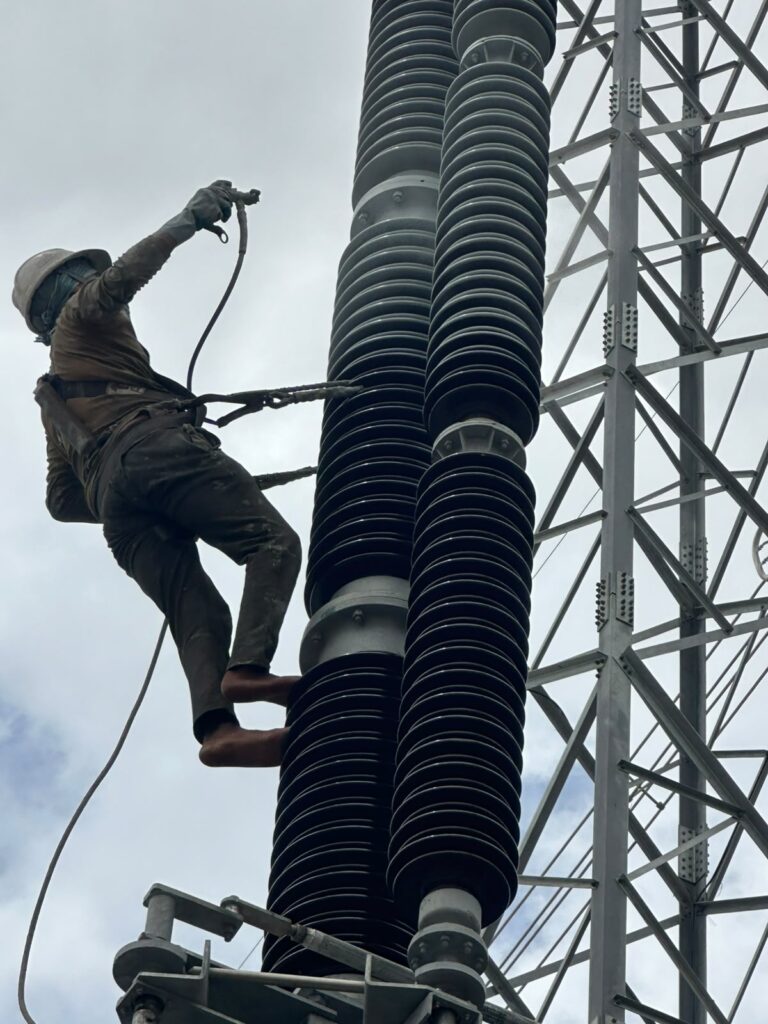
Spray application is one method used for coating suitable electrical insulators.
During application, the operator should follow the approved spraying procedure and maintain the specified application technique. Attention should be given to coverage across the intended surfaces, including accessible areas that are part of the approved scope.
Important considerations include:
- Consistent application according to the product instructions
- Appropriate spray technique and equipment settings
- Coverage of the specified surface areas
- Avoidance of excessive buildup, runs, or missed areas
- Protection of adjacent equipment where required
- Compliance with site electrical safety procedures
The required coating thickness, number of passes, and other application parameters must come from the approved specification and the coating manufacturer’s guidance. These values should not be assumed to be the same for every product or project.
Step 6: Allow the Coating to Cure
After application, the coating must be allowed to cure under the conditions and for the period specified by the manufacturer.
The team should protect the coated surfaces from conditions that could affect curing, such as moisture, dust, or other contamination, where applicable.
The equipment should not be returned to service until the responsible authority has confirmed that the work is complete and the applicable inspection, curing, and electrical safety requirements have been met.
Step 7: Perform Quality Inspection
A quality inspection helps verify whether the application meets the approved project requirements.
The inspection may include checks for:
- Uniformity of the coated surface
- Visible missed areas
- Runs, sagging, or excessive buildup
- Surface contamination after application
- Compliance with specified coating thickness, where required
- Completion of the specified curing period
- Documentation of any defects and corrective actions
Where the project specification requires measurements or tests, they should be completed using the approved method and suitable equipment.
Visual inspection alone does not establish every performance characteristic of the coating. Any additional testing should follow the relevant product instructions and project requirements.
Download the RTV Silicone Coating Inspection Checklist to help review surface preparation, coating application, curing, and final inspection.
Step 8: Record the Work and Plan Future Inspections
After application and inspection, the maintenance team should document the completed work.
A useful record may include:
- Equipment or insulator identification
- Date of application
- Coating product and batch details, where required
- Surface preparation method
- Application and curing conditions
- Inspection observations
- Required measurements or test results
- Defects, corrective actions, and approval status
These records provide a reference for future maintenance and help teams monitor the coating’s condition over time.
For more information about industrial inspection products and solutions, view the FREE RTV Industrial Brochure.
Common Mistakes to Avoid During RTV Coating Application
Even a suitable coating can underperform if application and maintenance requirements are overlooked.
Applying Coating Over a Dirty or Wet Surface
Inadequate surface preparation can affect coating adhesion and finish. The surface should meet the approved cleanliness and dryness requirements before application.
Ignoring Environmental Conditions
Temperature, humidity, condensation, wind, and airborne contamination may affect the application process. Always check the limits specified by the coating manufacturer.
Using an Unapproved Application Method
Incorrect material preparation or spraying practices may cause uneven coverage, excessive buildup, or other defects. Follow the approved method statement and product instructions.
Overlooking Curing Requirements
The coating needs the specified curing conditions and time. Premature handling or exposure may compromise the finished surface.
Skipping the Final Inspection
Completion of spraying does not automatically mean the work meets the required standard. Inspection and documentation are important parts of the process.
Treating Coating as a Substitute for All Maintenance
RTV silicone coating is not a universal solution for damaged insulators, unsuitable insulation designs, or every pollution-related problem. Continue to follow the equipment manufacturer’s recommendations and the site’s inspection and maintenance programme.
RTV Silicone Coating and Long-Term Insulator Maintenance
RTV silicone coating should be considered within a wider electrical asset-maintenance strategy.
The condition of the coating can change with operating time, environmental exposure, contamination, and physical damage. Periodic inspection helps identify areas that may require further assessment or maintenance.
In addition, regular inspections help maintenance teams monitor coating condition. For example, inspectors can look for visible damage, contamination and coating deterioration. If they identify a concern, they should assess the equipment and plan the appropriate corrective action. As a result, maintenance records can support better inspection planning.
A practical maintenance programme may include:
- Inspecting insulators and reviewing operating history.
- Identifying contamination, physical damage, or coating deterioration.
- Assessing whether cleaning, repair, recoating, or replacement is appropriate.
- Recording inspection findings and corrective actions.
- Scheduling the next inspection according to site conditions and the approved maintenance plan.
Maintenance intervals should be determined from actual site conditions, equipment requirements, coating condition, and engineering assessment rather than a universal timetable.
RTV Silicone Coating vs. Conventional Insulator Cleaning
RTV silicone coating and conventional cleaning serve different purposes.
Conventional cleaning removes accumulated contamination from an insulator. RTV silicone coating provides a hydrophobic surface intended to help manage the effects of pollution and moisture on suitable insulation systems.
| Factor | Conventional cleaning | RTV silicone coating |
|---|---|---|
| Main purpose | Remove accumulated contamination | Provide a hydrophobic protective surface |
| Typical role | Routine or condition-based maintenance | Planned treatment for suitable insulators |
| Long-term considerations | Contamination may accumulate again | Coating condition and performance require monitoring |
| Selection factors | Pollution, equipment condition, approved cleaning method | Insulator suitability, product specification, surface preparation, application quality |
The best approach depends on the installation, pollution level, equipment condition, maintenance strategy, and technical recommendations. In some situations, cleaning and coating may be considered as complementary activities rather than direct alternatives.
Safety Considerations During RTV Silicone Coating Work
Electrical insulation maintenance must be planned with safety as a priority.
Before work begins, the responsible team should review the site-specific risk assessment, work permit, approved method statement, and applicable electrical safety requirements.
Important precautions include:
- Following the site’s isolation and access procedures.
- Using appropriate personal protective equipment.
- Following the coating manufacturer’s safety data sheet.
- Ensuring adequate ventilation where required.
- Controlling spray mist and protecting nearby equipment.
- Managing access equipment and work-at-height risks where applicable.
- Keeping unauthorised personnel away from the work area.
- Confirming inspection and approval requirements before equipment is returned to service.
RTV silicone coating application on electrical equipment should be carried out by trained and authorised personnel under the applicable site safety controls. Work near energised equipment must never proceed without the required authorisation and approved safety arrangements.
How Agile MicroSys Supports Industrial Inspection and Maintenance
Agile MicroSys provides industrial inspection products and thermal monitoring and automation solutions for applications where equipment condition and early identification of abnormal conditions are important.
For organisations planning electrical maintenance, selecting an appropriate inspection approach depends on the equipment, operating environment, maintenance objectives, and applicable technical requirements.
Learn more about Agile MicroSys:
- RTV Silicone Coating for High-Voltage Insulators
- RTV Coating for Insulators: Longer Life, Lower Costs, Zero Compromise
- Insulator Failure Prevention: Why Do Insulators Fail Even After Cleaning?
- Contact Us for more information about our services
For additional project information, visit the Agile MicroSys YouTube channel and Agile MicroSys on LinkedIn.
Frequently Asked Questions About RTV Silicone Coating
1. What is the purpose of RTV silicone coating on electrical insulators?
RTV silicone coating is used on suitable electrical insulators to provide a hydrophobic surface. It can help manage the effects of pollution and moisture and reduce pollution-related flashover risk under appropriate conditions.
2. What are the main steps in the RTV coating process?
The general process includes inspecting the insulator, preparing the surface, checking environmental conditions, preparing the coating material, applying the coating, allowing it to cure, performing quality inspection, and recording the work.
The exact procedure depends on the product, equipment, and approved project requirements.
3. Why is surface preparation important before RTV coating?
Surface preparation helps ensure that the insulator is clean and suitable for coating. Contamination or moisture on the surface may affect the quality of the finished coating.
4. Can RTV silicone coating completely prevent electrical flashover?
No. RTV silicone coating can help reduce pollution-related flashover risk on suitable insulators, but it cannot eliminate every risk. Insulator design, pollution severity, moisture, operating conditions, installation condition, and maintenance also influence performance.
5. How long does RTV silicone coating last?
Service life varies with the coating formulation, application quality, environmental exposure, operating conditions, and maintenance practices. The expected service life and inspection requirements should be confirmed using product documentation and site-specific assessment.
6. Does an RTV-coated insulator require inspection?
Yes. Periodic inspection helps identify physical damage, coating deterioration, contamination, or other conditions requiring attention. The inspection frequency should follow the equipment and coating manufacturer’s guidance and the site’s maintenance plan.
7. Is RTV silicone coating suitable for every electrical insulator?
Not necessarily. Suitability depends on the insulator material, design, condition, voltage application, environmental exposure, and coating manufacturer’s recommendations. An assessment should be completed before selecting a coating system.
8. Where can I learn more about RTV silicone coating services from Agile MicroSys?
Visit the Agile MicroSys RTV Silicone Coating service page for more information about the company’s offering.
Conclusion
The RTV coating process involves several important stages, from initial insulator inspection and surface preparation to controlled spraying, curing, final inspection, and maintenance documentation.
For electrical maintenance teams, following the approved application procedure and safety requirements is essential to achieving a suitable coating finish and supporting the long-term management of insulation assets.
The Techno Bhuj project provides a relevant context for discussing these practical considerations. The exact project scope and results should always be supported by verified project records.
Looking for information about RTV silicone coating for electrical insulators? Visit Agile MicroSys to learn more about its RTV silicone coating offering and industrial inspection solutions.