Introduction
Partial Discharge Testing is one of the most effective predictive maintenance techniques used to detect insulation defects in transformers and switchgear before they cause costly failures. Early detection improves electrical reliability, increases equipment life, reduces maintenance costs, and prevents unexpected shutdowns.
One of the earliest warning signs of insulation deterioration in electrical equipment is Partial Discharge (PD). Unlike catastrophic faults that occur suddenly, partial discharge starts as a small localized electrical discharge within or on the surface of insulation. Initially, it may not affect equipment performance, making it difficult to detect through routine visual inspections. However, over time, repeated discharge weakens the insulation system, eventually leading to flashovers, transformer failures, switchgear breakdowns, and costly repairs.
This is where Partial Discharge Testing becomes an essential predictive maintenance tool. It enables engineers to detect insulation defects at an early stage before they develop into serious failures. Rather than waiting for equipment to fail, organizations can monitor insulation health, schedule maintenance proactively, and improve the overall reliability of electrical assets. Today, Partial Discharge Testing is widely adopted by utilities and industries worldwide as part of a comprehensive Condition Monitoring and Predictive Maintenance strategy.
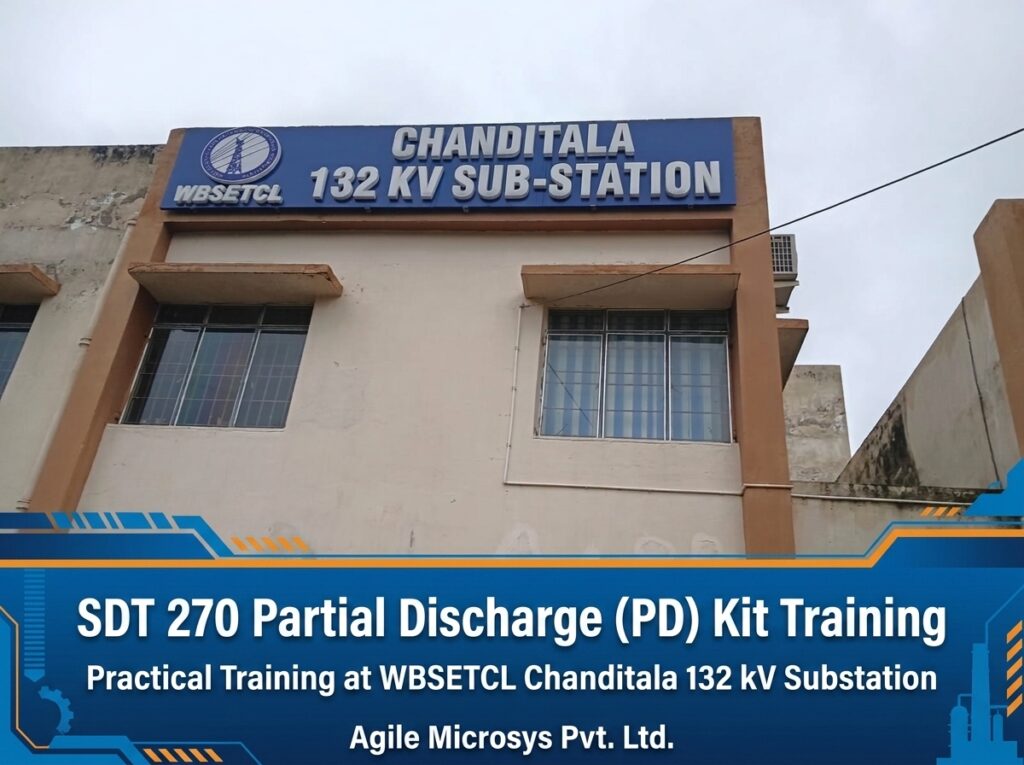
What is Partial Discharge Testing?
Partial Discharge Testing is a diagnostic technique used to identify localized electrical discharges occurring within insulation systems of high-voltage electrical equipment. These discharges do not completely bridge the insulation between conductors, but they gradually damage the insulation material over time.
Imagine a tiny crack in the wall of a house. At first, it may appear harmless. However, if ignored, the crack becomes larger, allowing water to enter and weakening the entire structure. Partial discharge behaves in a similar way inside electrical equipment. It begins as a microscopic defect but continuously damages insulation until complete failure occurs.

PD activity can occur in various types of equipment, including:
- Power Transformers
- Distribution Transformers
- Medium Voltage Switchgear
- High Voltage Switchgear
- Gas Insulated Switchgear (GIS)
- Current Transformers (CT)
- Potential Transformers (PT)
- Power Cables
- Motors
- Generators
Since these electrical discharges are invisible to the naked eye, specialized diagnostic instruments are required to detect and analyze them accurately.
Why Does Partial Discharge Occur?
Partial discharge is usually caused when the electric field inside insulation exceeds the insulation’s dielectric strength at a localized point. Several factors contribute to this condition.
1. Insulation Ageing
As electrical equipment ages, insulation materials naturally deteriorate due to continuous electrical, thermal, and mechanical stress. Small cracks and weak spots begin to form, increasing the likelihood of partial discharge.
2. Moisture Contamination
Moisture is one of the biggest enemies of electrical insulation. Water ingress significantly reduces insulation resistance and creates conductive paths where localized electrical discharges can occur.
3. Surface Pollution
Dust, salt deposits, industrial pollution, and chemical contaminants accumulate on insulation surfaces, increasing leakage currents and creating favorable conditions for surface discharge.
4. Manufacturing Defects
Small air voids trapped during the manufacturing process may remain hidden inside insulation. These voids experience higher electric stress than the surrounding insulation and often become the starting point of partial discharge.
5. Loose Electrical Connections
Loose terminals or busbar joints create localized heating and abnormal electrical stress, both of which contribute to insulation deterioration and discharge activity.
6. Mechanical Damage
Transportation, vibration, improper installation, or accidental impact can weaken insulation systems, creating defects that eventually develop into partial discharge.
How Partial Discharge Damages Transformers
Transformers contain multiple insulation systems, including transformer oil, cellulose paper, bushings, and solid insulation. Their reliable operation depends on the integrity of these insulation materials.
When partial discharge begins inside a transformer, the insulation does not fail immediately. Instead, repeated discharge gradually erodes the insulation surface. Electrical stress becomes concentrated around damaged areas, accelerating the ageing process.
As discharge activity increases:
- Transformer oil begins to deteriorate.
- Insulation paper carbonizes.
- Localized heating develops.
- Gas generation increases.
- Dielectric strength decreases.
Eventually, these defects lead to winding failures, bushing failures, internal flashovers, or complete transformer breakdown.
Considering the high replacement cost of power transformers, early detection through Partial Discharge Testing provides enormous financial and operational benefits.
How Partial Discharge Causes Switchgear Failures
Switchgear plays a critical role in controlling, protecting, and isolating electrical circuits. Because switchgear operates under high voltage, insulation integrity is essential for safe operation.
Common causes of partial discharge inside switchgear include:
- Loose busbar joints
- Cable termination defects
- Moisture ingress
- Surface contamination
- Damaged insulation
- Ageing components
If left untreated, partial discharge inside switchgear may result in:
- Arc flash incidents
- Equipment explosions
- Fire hazards
- Unexpected plant shutdowns
- Costly emergency maintenance
Routine Partial Discharge Testing enables maintenance teams to detect these hidden insulation defects before they develop into dangerous failures.
Methods Used for Partial Discharge Testing
Modern maintenance engineers use several advanced techniques to detect partial discharge activity.
Ultrasound Inspection
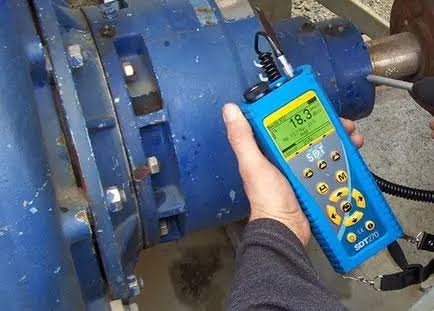
Ultrasound technology detects the high-frequency sound waves generated by electrical discharge. It is widely used because inspections can be performed safely while equipment remains energized.
Transient Earth Voltage (TEV)
TEV sensors measure transient voltage pulses generated by discharge activity inside metal-clad switchgear.
High Frequency Current Transformer (HFCT)
HFCT sensors detect high-frequency current pulses traveling through grounding conductors, making them highly effective for cable systems and switchgear.
Ultra High Frequency (UHF)
UHF technology is commonly used for Gas Insulated Switchgear (GIS) and provides excellent sensitivity for detecting internal discharge activity.
Each method has specific advantages depending on equipment type, operating conditions, and inspection objectives.
Benefits of Partial Discharge Testing
Implementing Partial Discharge Testing as part of a predictive maintenance program offers numerous advantages for industries that rely on high-voltage electrical equipment. Instead of waiting for equipment to fail, maintenance teams gain valuable insights into insulation health and can make informed maintenance decisions.
1. Early Fault Detection
Partial discharge is one of the earliest indicators of insulation deterioration. Detecting it before visible damage occurs allows engineers to repair or replace affected components before major failures develop.
2. Reduced Unplanned Downtime
Unexpected transformer or switchgear failures can halt production, interrupt power supply, and result in costly downtime. Routine PD inspections help identify potential issues early, allowing maintenance to be scheduled during planned shutdowns.
3. Lower Maintenance Costs
Emergency repairs and equipment replacement are significantly more expensive than preventive maintenance. By identifying insulation defects at an early stage, organizations can reduce maintenance costs and extend equipment service life.
4. Improved Equipment Reliability
Reliable transformers and switchgear are essential for uninterrupted industrial operations. Regular Partial Discharge Testing improves asset reliability by ensuring insulation remains in good condition throughout the equipment’s life.
5. Enhanced Safety
Electrical failures caused by insulation breakdown can lead to arc flashes, fires, and severe safety hazards. Early PD detection minimizes these risks and creates a safer working environment for maintenance personnel.
6. Longer Equipment Life
Electrical assets represent a major capital investment. Routine condition monitoring helps maximize their operational lifespan by addressing minor insulation issues before they escalate into major failures.

Partial Discharge Testing in Predictive Maintenance
Modern industries are increasingly adopting Predictive Maintenance (PdM) instead of relying solely on traditional time-based maintenance schedules.
In conventional maintenance, equipment is serviced after fixed intervals regardless of its actual condition. This can lead to unnecessary maintenance or unexpected failures between inspections.
Predictive Maintenance focuses on the actual health of equipment using advanced diagnostic technologies such as:
- Partial Discharge Testing
- Thermal Imaging
- Ultrasound Inspection
- Vibration Analysis
- Oil Analysis
- Visual Inspection
Partial Discharge Testing is particularly valuable because it identifies hidden insulation defects that cannot be detected through visual inspections alone. When combined with other condition monitoring techniques, it provides a comprehensive understanding of equipment health and enables maintenance teams to plan repairs more effectively.
Industries Using Partial Discharge Testing
Partial Discharge Testing is widely used across industries where electrical reliability is critical.
Power Utilities
Transmission and distribution companies use PD testing to improve substation reliability and reduce power outages.
Cement Plants
Dusty environments accelerate insulation contamination. Routine PD monitoring helps maintain transformer and switchgear reliability.
Steel Plants
Steel manufacturing requires continuous operation of high-voltage electrical equipment. Early fault detection minimizes production interruptions.
Oil & Gas
Electrical failures in hazardous environments can have serious consequences. Partial Discharge Testing enhances both safety and operational reliability.
Chemical Industries
Continuous production processes demand dependable electrical systems. PD inspections help avoid costly shutdowns.
Railways
Traction substations and electrical distribution systems benefit from regular insulation monitoring to ensure uninterrupted railway operations.
Manufacturing Industries
Factories operating motors, transformers, and switchgear use PD testing to improve equipment reliability and reduce maintenance expenses.
Best Practices for Effective Partial Discharge Monitoring
Organizations can maximize the benefits of Partial Discharge Testing by following these best practices:
- Conduct inspections at regular intervals based on equipment criticality.
- Establish baseline readings when equipment is new or after major maintenance.
- Compare new measurements with historical data to identify trends.
- Investigate abnormal discharge activity immediately.
- Combine PD testing with thermal imaging and ultrasound inspections for comprehensive condition monitoring.
- Maintain detailed inspection records for future analysis.
- Ensure maintenance personnel receive proper training in condition monitoring techniques.
Following these practices helps organizations detect problems early, improve maintenance planning, and extend the life of electrical assets.
Why Choose Agile Microsys Pvt. Ltd.?
Agile Microsys Pvt. Ltd. specializes in advanced Condition Monitoring and Predictive Maintenance solutions for utilities and industrial facilities across India.
Our expertise includes:
- Partial Discharge Testing
- SDT Ultrasound Inspection
- Thermal Imaging Inspection
- Online Thermal Monitoring Systems
- RTV Silicone Coating
- Electrical Condition Monitoring
- Reliability Engineering
- Predictive Maintenance Solutions
Our experienced engineers use advanced diagnostic technologies to identify hidden electrical defects before they lead to costly failures. By combining technical expertise with practical field experience, we help industries improve equipment reliability, reduce maintenance costs, and ensure safe operation of critical electrical assets.
Conclusion
Electrical transformers and switchgear are essential components of every power system, and their reliability depends heavily on the condition of their insulation systems. Partial Discharge is one of the earliest signs of insulation deterioration, making Partial Discharge Testing an indispensable tool for modern maintenance programs.
By identifying hidden insulation defects before they develop into major failures, organizations can reduce unplanned downtime, lower maintenance costs, improve operational safety, and extend equipment life. Whether used in power utilities, manufacturing plants, cement industries, railways, or oil and gas facilities, Partial Discharge Testing supports a proactive maintenance approach that enhances both reliability and performance.
As industries continue to embrace predictive maintenance and digital condition monitoring, investing in regular Partial Discharge Testing is no longer optional—it is a strategic decision that protects valuable electrical assets and ensures uninterrupted operations.
Contact Agile Microsys Pvt. Ltd.
If you are looking for professional Partial Discharge Testing, Condition Monitoring, or Predictive Maintenance solutions, Agile Microsys Pvt. Ltd. is ready to support your maintenance goals.
Our services include:
- Partial Discharge Testing
- SDT Ultrasound Inspection
- Thermal Imaging
- Online Thermal Monitoring
- RTV Silicone Coating
- Electrical Asset Health Assessment
Contact our technical team today to schedule an inspection and improve the reliability of your electrical infrastructure.
Website: https://agilemicrosys.com
LinkedIn: https://www.linkedin.com/company/agilemicrosys
YouTube: https://www.youtube.com/@AgileMicrosys
Frequently Asked Questions (FAQs)
1. What is Partial Discharge Testing?
Partial Discharge Testing is a diagnostic technique used to detect localized electrical discharges within insulation systems before they lead to equipment failure.
2. Why is Partial Discharge dangerous?
Although partial discharge starts as a small electrical event, it gradually damages insulation, increasing the risk of flashovers, transformer failures, and switchgear breakdowns.
3. Which equipment requires Partial Discharge Testing?
Transformers, switchgear, gas-insulated switchgear (GIS), current transformers, potential transformers, power cables, motors, and generators all benefit from routine PD inspections.
4. How often should Partial Discharge Testing be performed?
Inspection frequency depends on equipment criticality, operating conditions, and maintenance strategy. High-value assets are commonly inspected annually or as part of a predictive maintenance program.
5. Can Partial Discharge Testing be carried out while equipment is energized?
Yes. Many modern Partial Discharge Testing methods, such as ultrasound, TEV, and HFCT, can be safely performed on energized equipment without interrupting normal operations.