Introduction
OHE hotspot detection is an important part of modern railway electrical inspection, helping maintenance teams identify abnormal heating in Overhead Equipment (OHE) and associated electrical connections. Railway electrification systems operate continuously under demanding electrical and environmental conditions, making early identification of abnormal temperature conditions important for reliable railway operations.
The Overhead Equipment (OHE) system is a critical part of electric railway infrastructure. Therefore, abnormal heating in current-carrying connections or associated electrical equipment may require timely investigation.
One important question for railway maintenance teams is:
How can OHE hotspots be detected before they develop into serious electrical problems?
Using thermal imaging, maintenance teams can identify abnormal temperature patterns in electrical equipment and current-carrying connections without physical contact. In addition, an OHE thermal inspection program can provide temperature information that helps teams identify areas requiring further investigation. As a result, thermal inspection can support more informed maintenance decisions.
Indian Railways’ OHE inspection guidance emphasizes systematic inspection and early identification of defects and abnormalities. In addition, railway documentation has described infrared thermal measurement for condition monitoring of current-carrying OHE joints, jumpers, feeder wires and other traction-related equipment.
Furthermore, Agile Microsys Pvt. Ltd. has experience in thermal monitoring and thermal imaging applications for railway and industrial environments.
This article explains how OHE hotspot detection using thermal imaging can support railway inspection and presents a Northeast Frontier Railway project case study covering multiple locations.
What Is OHE Hotspot Detection and How Does It Work?
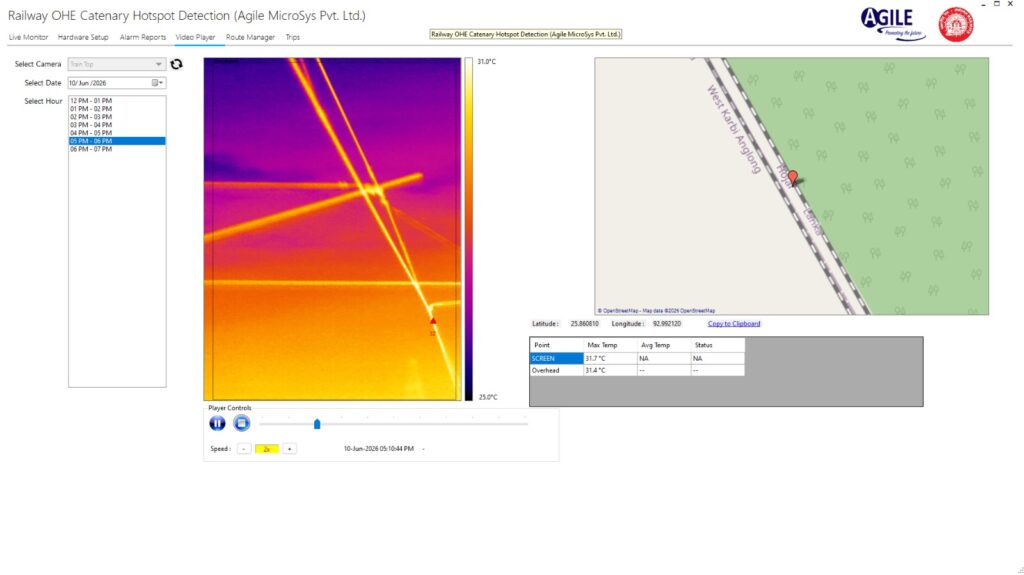
In simple terms, OHE hotspot detection is the process of identifying areas showing abnormal temperature rise within or around the railway overhead electrification system.
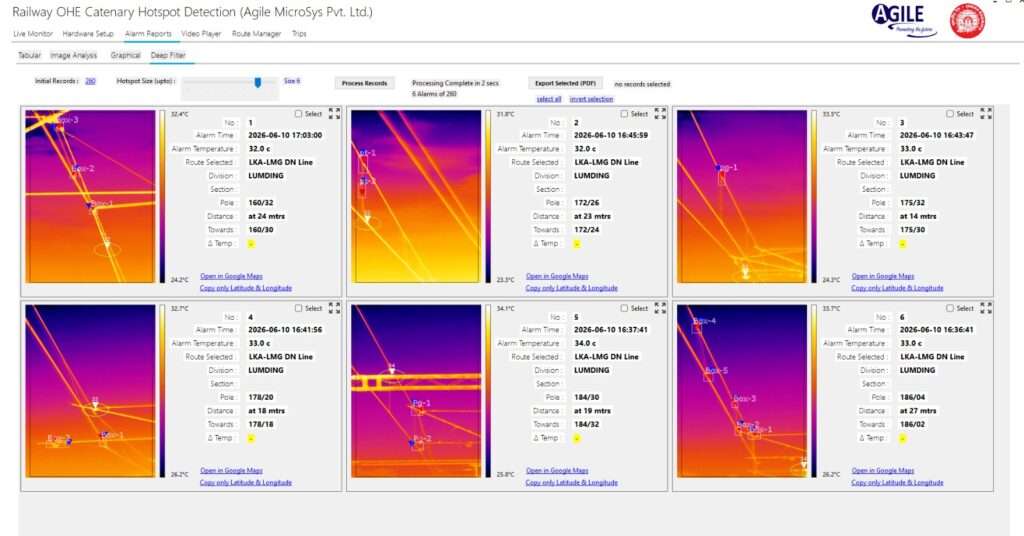
A thermal camera detects infrared radiation and converts temperature differences into a thermal image. As a result, maintenance personnel can examine the thermal pattern and identify areas with unusually high temperatures compared with surrounding equipment or similar components.
However, a hotspot does not automatically mean that a component has failed.
Instead, it can act as an early warning indicator that requires further investigation.
Depending on the equipment and operating conditions, abnormal heating may be associated with several issues, such as:
- High electrical resistance at a connection
- Loose or deteriorated connections
- Excessive electrical loading
- Contact or joint problems
- Ageing components
- Environmental effects
- Other abnormal operating conditions
As a result, the thermal image becomes an additional source of information for maintenance teams.
Why Is Thermal Imaging Useful for OHE Hotspot Detection?
Traditional inspection methods remain important for railway OHE maintenance. For example, visual inspection can identify physical defects, damage, corrosion, misalignment and other visible abnormalities.
At the same time, temperature is another important condition indicator.
A thermal camera can help maintenance teams identify temperature anomalies that may not be visible to the naked eye. For this reason, thermal imaging can be particularly useful for condition-based inspection.n.
Key advantages include:
- Non-contact temperature measurement
- Faster inspection of electrical assets
- Identification of abnormal heating
- Early identification of potential problem areas
- Reduced need for direct physical contact during thermal scanning
- Better maintenance prioritization
- Support for condition monitoring
- Support for predictive maintenance programs
Importantly, thermal inspection should complement, rather than replace, the applicable railway inspection procedures and engineering assessments.
What OHE Components Can Be Checked Using Thermal Imaging?
However, the exact inspection scope depends on the railway system, equipment configuration, camera capability and approved inspection procedure.
In practice, potential applications can include inspection of:
1. OHE Current-Carrying Connections
For example, connections and joints carrying electrical current can be important thermal inspection points.
An abnormal temperature difference may indicate a condition requiring further examination.
2. Jumpers and Feeder Connections
Similarly, thermal imaging can be used as part of inspection programs for current-carrying connections associated with railway traction systems.
3. Electrical Connections
Loose or high-resistance electrical connections can produce localized heating.
As a result, thermal imaging can help maintenance personnel identify unusual temperature patterns for investigation.
4. Traction Electrical Equipment
Thermal cameras can also be applied to associated railway electrical equipment, depending on the inspection requirement.
This can include selected components within traction power and distribution systems.
5. Other Critical Electrical Assets
Thermal imaging can also be extended to substations, switchgear, connectors, transformers and other electrical assets where temperature monitoring is relevant.
How Does Thermal Imaging Help With OHE Hotspot Detection?
A typical thermal inspection process can be divided into several stages.
Step 1: Identify Critical Inspection Points
The maintenance team first identifies the OHE components and electrical assets that require inspection.
Inspection points may include current-carrying joints, connections, jumpers, feeder connections and associated electrical equipment.
Step 2: Capture Thermal Images
At this stage, a suitable thermal imaging camera captures thermal information from the equipment.
The camera allows the operator to view temperature differences without making physical contact with the energized equipment.
Step 3: Compare Temperature Patterns
After image capture, the thermal image is reviewed to identify unusual temperature patterns.
A single temperature value should not be considered in isolation. Load conditions, ambient temperature, distance, emissivity, viewing angle and equipment configuration can influence the measurement.
Step 4: Identify Abnormal Areas
Once identified, maintenance personnel can mark potential hotspots or abnormal thermal patterns for further examination.
Step 5: Investigate the Cause
However, a thermal anomaly is an indication for investigation, not automatically a diagnosis.
The maintenance team can combine the thermal finding with visual inspection, electrical measurements, operating conditions and applicable railway procedures.
Step 6: Record and Trend the Results
Finally, recording inspection findings allows maintenance teams to compare results over time.
Repeated thermal inspection can help establish temperature trends and support condition-based maintenance.
What Causes OHE Hotspots During Railway Inspection?
In general, a thermal hotspot can have different causes depending on the specific equipment and operating conditions.
Possible contributing factors may include:
Loose Electrical Connections
For instance, a poor connection can increase electrical resistance and generate localized heating.
High Electrical Load
Electrical loading can affect component temperature. Therefore, inspection results should always be considered in relation to operating conditions.
Deteriorated Connections or Components
Similarly, age, mechanical stress and environmental exposure can affect electrical connections and components.
Contact or Joint Problems
Similarly, current-carrying joints require appropriate inspection and maintenance because abnormal electrical resistance can result in heating.
Environmental Conditions
Moreover, dust, moisture, pollution and other environmental factors can affect equipment condition and operating performance.
The important point is that thermal imaging identifies an abnormal thermal condition; further engineering investigation is required to determine the root cause.
OHE Hotspot Detection: Northeast Frontier Railway Case Study
Project Overview
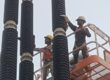
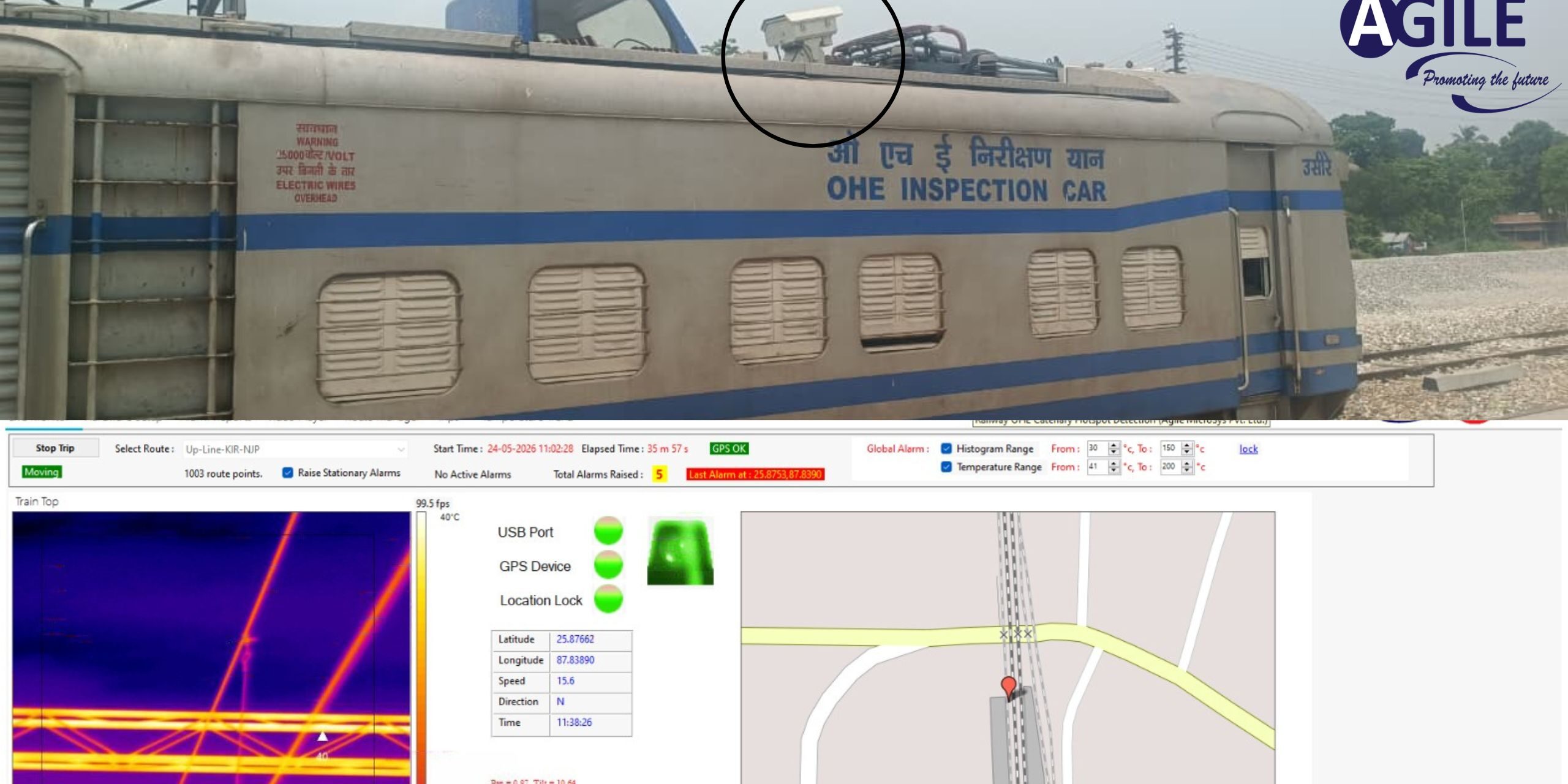
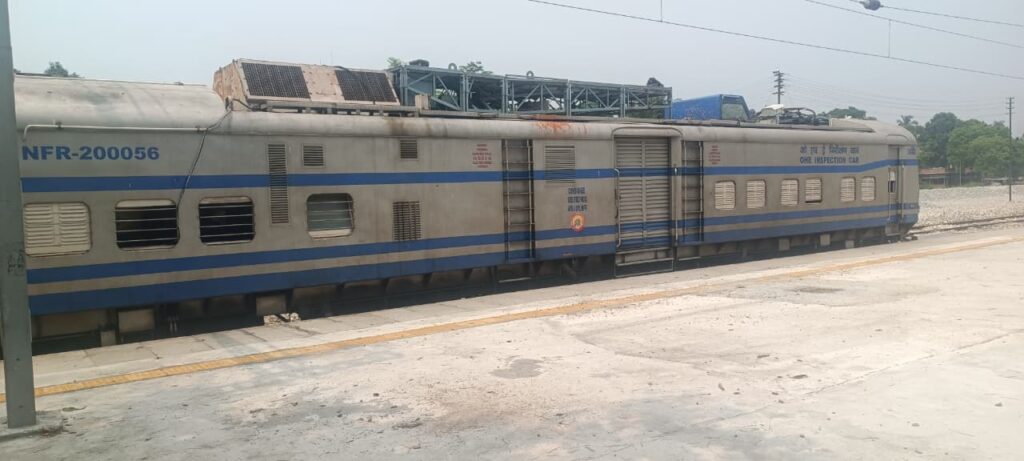
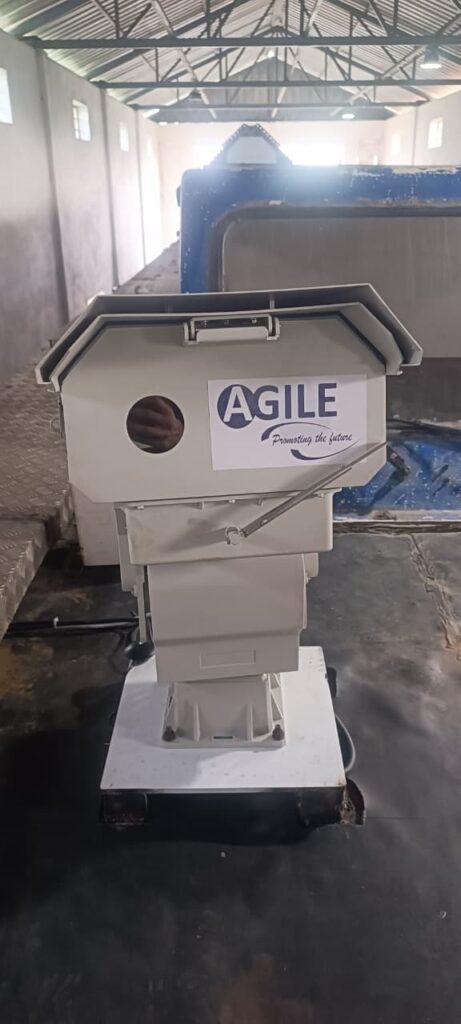
Agile Microsys Pvt. Ltd. has carried out a thermal camera project for Northeast Frontier Railway covering multiple railway locations.
Specifically, the project covered the following railway locations:
- Dalkhola Station
- Dibrugarh, Assam
- Lumding, Assam
- New Alipurduar
- Rangiya, Assam
Overall, the project demonstrates the practical use of thermal imaging technology in a railway environment. In addition, it supports the use of temperature information for electrical and OHE inspection.
Why Thermal Inspection Was Important
Railway electrical infrastructure operates under continuous service requirements. For maintenance teams, early identification of an abnormal condition provides an opportunity to investigate the equipment before the condition develops further. In addition, thermal imaging provides a visual representation of temperature distribution, allowing maintenance personnel to identify areas that deserve closer attention. Overall, the multi-location Northeast Frontier Railway project demonstrates how thermal inspection can be applied across different railway operating environments.
Northeast Frontier Railway Project Locations
Dalkhola Station
At Dalkhola Station, thermal imaging supported the inspection of relevant railway electrical and OHE equipment. The thermal camera helped provide temperature information for areas requiring further investigation.
Dibrugarh, Assam
The project also covered Dibrugarh in Assam. This location extended the application of thermal inspection across another important Northeast Frontier Railway location.
Lumding, Assam
At Lumding, thermal camera-based inspection provided additional temperature information for relevant railway electrical equipment and OHE-related assets.
New Alipurduar
New Alipurduar formed another part of the project. This multi-location approach demonstrated the practical application of thermal inspection across railway infrastructure.
Rangiya, Assam
The project also included Rangiya in Assam. As a result, the thermal inspection solution was applied across several Northeast Frontier Railway locations.
What Does a Thermal Image Tell a Railway Maintenance Team?
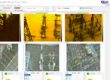
A thermal image provides a temperature map of the observed equipment. Instead of showing only the physical appearance of a component, it reveals how temperature varies across the equipment. For example, an abnormal localized temperature rise can appear as a distinct hotspot compared with surrounding areas.
Based on this information, maintenance personnel can ask important questions:
- Why is this connection hotter than comparable connections?
- Is the equipment carrying a different electrical load?
- Is there a connection issue?
- Has the temperature increased compared with previous inspections?
- Does the thermal finding require physical or electrical investigation?
- Should the component be prioritized for maintenance?
This makes thermal imaging useful as part of a condition monitoring workflow.
Thermal Imaging and Predictive Maintenance
Over time, these inspection results can create a useful historical record. As a result, maintenance teams can compare thermal patterns, identify changes in equipment condition and prioritize inspection or corrective action. Predictive maintenance focuses not only on finding hot components but also on using condition information to make better maintenance decisions. Therefore, thermal imaging can become one part of a broader railway condition monitoring strategy.
Thermal Inspection vs Visual Inspection
Thermal imaging and visual inspection provide different types of information.
| Inspection Method | What It Can Show |
|---|---|
| Visual inspection | Physical condition, visible damage, corrosion, mechanical abnormalities |
| Thermal inspection | Temperature distribution and abnormal thermal patterns |
| Electrical testing | Electrical parameters and equipment condition |
| Historical trending | Changes in condition over time |
Therefore, the most effective maintenance approach can combine multiple inspection methods according to the equipment and applicable railway procedures.
Benefits of OHE Hotspot Detection Using Thermal Imaging
A properly planned thermal inspection program can help railway organizations improve maintenance decisions in several ways:
Improve Early Fault Identification
Abnormal heating can be identified before the condition becomes a visible failure.
Support Safer Maintenance
Thermal imaging allows non-contact temperature observation of relevant electrical equipment.
Reduce Unexpected Downtime
Early identification of abnormal conditions can help maintenance teams investigate problems before they result in service disruption.
Improve Maintenance Prioritization
Thermal findings can help teams determine which assets require further investigation.
Support Condition-Based Maintenance
Thermal data can become part of an asset condition record.
Improve Asset Reliability
Regular condition monitoring can support better maintenance decisions and long-term equipment reliability.
Why Railway OHE Inspection Needs a Condition-Based Approach
Railway OHE infrastructure covers extensive sections and contains many electrical and mechanical components. Indian Railways’ inspection guidance notes the importance of identifying defects and abnormalities early because OHE failures can affect railway operations. Therefore, modern inspection strategies increasingly combine established inspection procedures with technologies that provide additional condition information. Thermal imaging is one useful technology because it provides maintenance personnel with another view of electrical equipment—not just what the component looks like, but how its temperature is behaving.
From Manual Inspection to Smart Thermal Monitoring
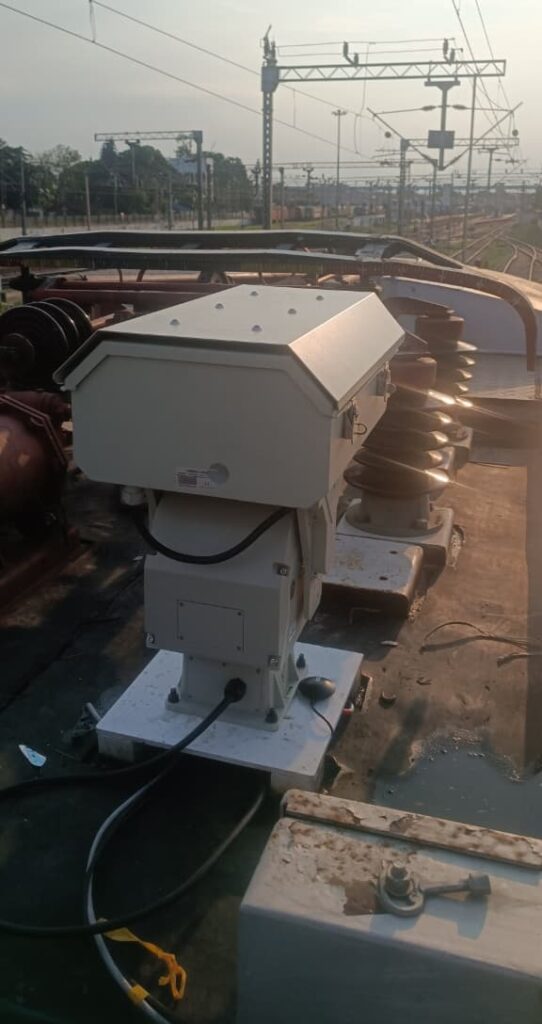
Handheld thermal inspection is useful when maintenance teams need to inspect specific equipment. However, some applications may require continuous or online monitoring. In such applications, fixed thermal cameras can continuously observe predefined areas and generate alerts when temperature conditions exceed configured thresholds.
In addition, Agile Microsys provides thermal monitoring solutions for railway and industrial applications, including real-time monitoring concepts for critical electrical assets.
Explore the existing Agile Microsys article on Grid Thermal Monitoring Railway for more information about continuous railway thermal monitoring.
Northeast Frontier Railway Case Study: Key Takeaways
The Northeast Frontier Railway project demonstrates several important points:
1. Thermal imaging can support railway electrical inspection.
2. OHE-related current-carrying components can be important thermal inspection targets.
3. Hotspot detection can provide an early indication that further investigation may be required.
4. Thermal inspection can complement conventional railway maintenance practices.
5. Multi-location deployment demonstrates the flexibility of thermal imaging technology in railway environments.
6. Recorded thermal information can support condition-based maintenance and trending.
Why Choose Agile Microsys for Thermal Imaging Solutions?
Agile Microsys Pvt. Ltd. provides industrial inspection solutions covering thermal imaging, thermal monitoring, ultrasound-based condition monitoring and protective coating solutions.
The company works across industries including:
- Railways
- Power & Utilities
- Manufacturing
- Cement
- Steel
- Oil & Gas
Agile Microsys’ thermal monitoring solutions are designed to help organizations identify abnormal conditions, improve equipment reliability and support predictive maintenance programs.
You can explore the company’s industrial inspection solutions on the Agile Microsys website.
Frequently Asked Questions
What is OHE hotspot detection?
OHE hotspot detection is the identification of abnormal temperature patterns in railway overhead electrification equipment using thermal imaging or other temperature measurement methods.
Can thermal cameras detect railway OHE faults?
In addition, thermal cameras can identify abnormal heating patterns that may indicate a condition requiring further investigation. A thermal image alone does not automatically establish the root cause of a fault.
How is thermal imaging used in railway OHE inspection?
Thermal imaging can be used to inspect relevant current-carrying connections and associated electrical equipment for abnormal temperature patterns.
What causes OHE hotspots?
Potential causes can include abnormal electrical resistance, connection problems, loading conditions, ageing components and environmental factors. The exact cause must be established through appropriate engineering investigation.
Can thermal imaging be used for predictive maintenance?
Yes. Regular thermal inspections and temperature trending can support condition-based and predictive maintenance strategies.
Is thermal imaging a replacement for OHE inspection?
No. Thermal imaging should be used as a complementary inspection technology alongside applicable railway inspection procedures and engineering assessments.
Where was the Agile Microsys Northeast Frontier Railway project carried out?
The Northeast Frontier Railway thermal camera project covered Dalkhola Station, Dibrugarh, Lumding, New Alipurduar and Rangiya.
Can thermal monitoring be used continuously?
Yes. Fixed thermal cameras and monitoring software can be configured for online monitoring of selected critical assets, depending on the application requirements.
Conclusion
OHE hotspot detection using thermal imaging can provide railway maintenance teams with valuable temperature information that may not be visible during a conventional visual inspection.
By identifying abnormal thermal patterns, recording inspection results and combining thermal findings with other maintenance information, railway organizations can strengthen their condition monitoring and predictive maintenance strategies.
The Northeast Frontier Railway thermal camera project, covering Dalkhola Station, Dibrugarh, Lumding, New Alipurduar and Rangiya, demonstrates the practical application of thermal imaging technology in railway environments.
For railway organizations looking to improve OHE inspection, hotspot detection, electrical condition monitoring and predictive maintenance, thermal imaging can be an important part of a modern maintenance strategy.
Need a thermal imaging or online thermal monitoring solution for your railway or industrial application? Contact Agile Microsys Pvt. Ltd. to discuss your inspection requirement.
Contact our technical team today to schedule an inspection and improve the reliability of your electrical infrastructure.
Website: https://agilemicrosys.com