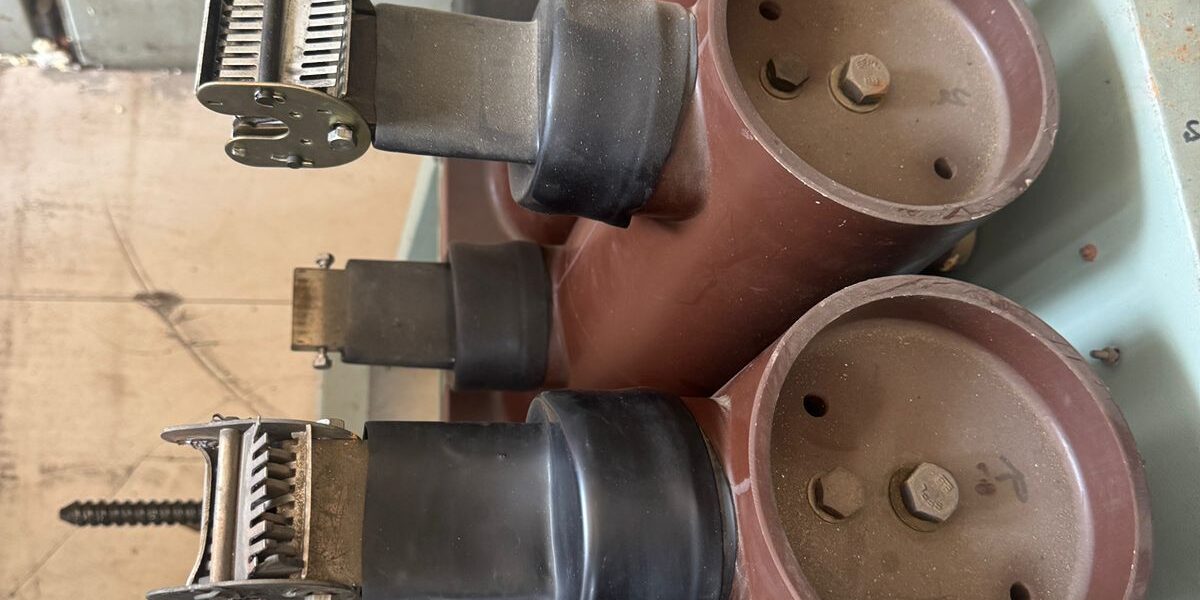
Introduction
Every year, industries experience a sharp increase in HT Panel Flashover incidents during the monsoon season. Unexpected tripping, insulation failures, tracking, arcing, and flashover become common problems, leading to expensive equipment damage, production downtime, and maintenance costs.
Many maintenance engineers initially suspect faulty relays, circuit breakers, or electrical connections. However, the actual cause is often much simpler—moisture, dust, industrial pollution, and contamination accumulating inside HT panels.
When these contaminants combine with humidity, they gradually reduce insulation performance and create leakage current across insulating surfaces. If left untreated, this leakage current develops into tracking, progresses to arcing, and eventually results in HT Panel Flashover.
One of the most effective long-term solutions is RTV Silicone Coating, which provides an ultra-hydrophobic protective barrier that significantly improves insulation reliability under harsh environmental conditions.
In this guide, you’ll learn:
- Why HT panels fail during monsoon
- What causes tracking, arcing, and flashover
- How RTV Silicone Coating improves HT panel reliability
- Real industrial applications and benefits
Related Reading:
RTV Silicone Coating for Insulators: Longer Life, Lower Costs, Zero Compromise : https://agilemicrosys.com/blogs/rtv-coating-for-insulators/
Why HT Panel Flashover Increases During Monsoon
The monsoon season creates one of the harshest operating environments for electrical power distribution systems.
High humidity, continuous rainfall, industrial pollution, airborne dust, and condensation create ideal conditions for insulation degradation.
Typical problems include:
- Moisture accumulation
- Dust deposits
- Salt contamination
- Industrial pollution
- Chemical vapours
- Corrosion of metallic components
- Leakage current
Although these problems seem minor individually, together they significantly increase the possibility of insulation failure.
Even indoor HT panels are not completely protected because moisture enters through:
- Cable entries
- Ventilation openings
- Door seals
- Temperature changes that create condensation
Once moisture reaches insulating surfaces, insulation performance starts decreasing.
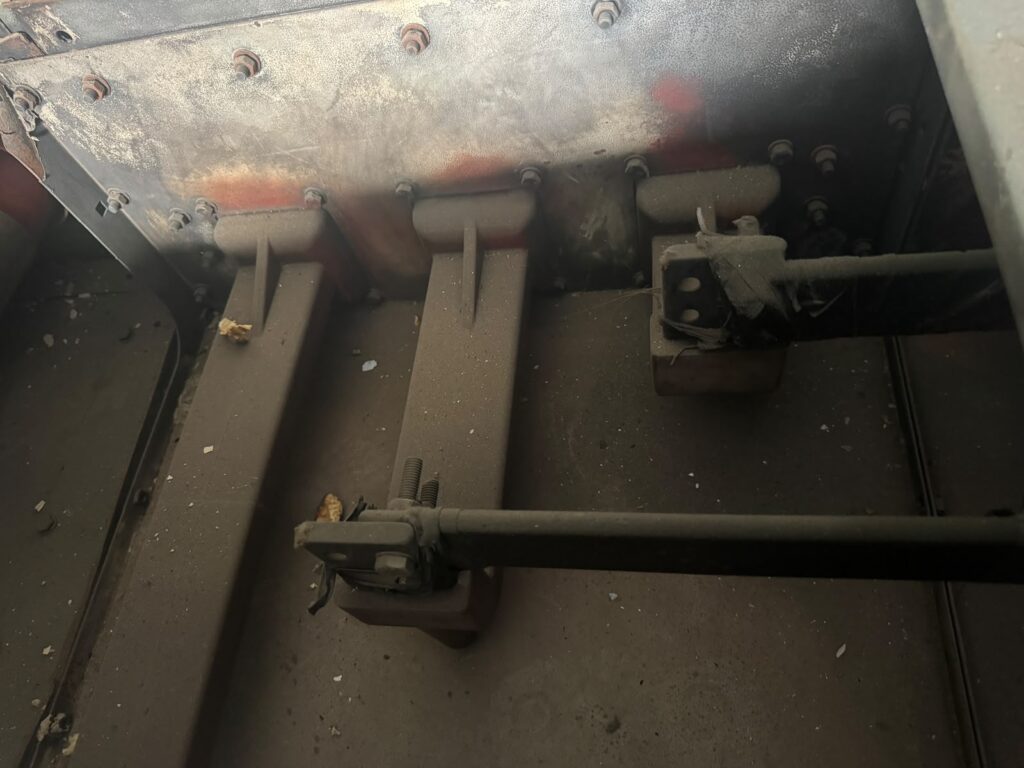
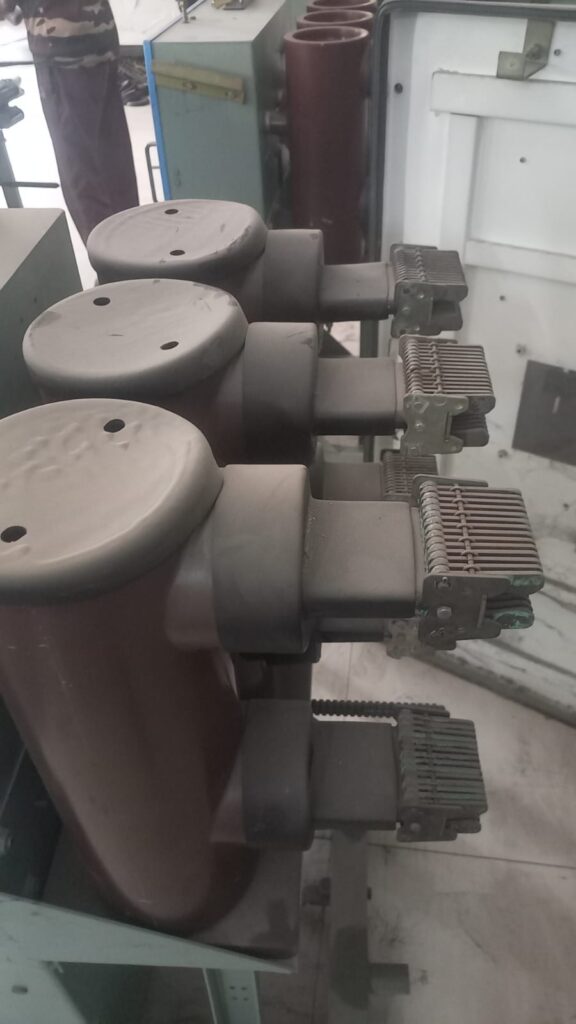
What Is Tracking in HT Panels?
Tracking is one of the earliest stages of insulation failure.
It occurs when contamination such as dust, moisture, salt, chemicals, or industrial pollution creates a conductive path across the surface of an insulator.
Instead of electricity remaining confined to the conductor, a small leakage current starts flowing across contaminated insulation.
Initially, the leakage current is very small.
However, repeated electrical stress creates carbonized tracks.
These tracks continue expanding until insulation strength decreases significantly.
Eventually, tracking develops into arcing.
Common Causes of Tracking
- High humidity
- Moisture ingress
- Dust accumulation
- Salt contamination
- Chemical pollution
- Poor preventive maintenance
Tracking usually develops slowly, making regular inspection extremely important.
What Is Arcing?
Arcing occurs when electricity jumps through air because insulation has weakened.
Unlike tracking, which develops gradually, electrical arcing generates extremely high temperatures in milliseconds.
An electrical arc can exceed 5,000°C, damaging:
- Epoxy insulators
- Busbars
- Cable terminations
- Switchgear
- Panel insulation
Common consequences include:
- Burnt insulation
- Equipment damage
- Breaker failure
- Production downtime
- Increased maintenance costs
Once arcing begins, immediate corrective action becomes essential.
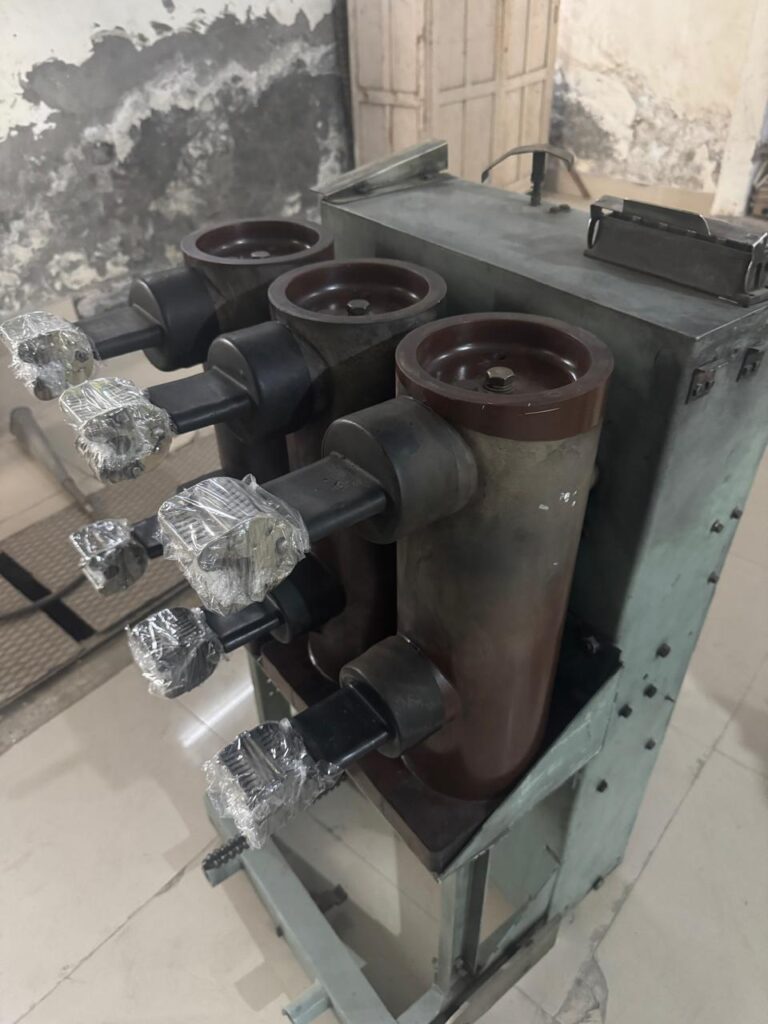
What Is HT Panel Flashover?
HT Panel Flashover is the most severe stage of insulation failure.
It occurs when electrical discharge completely bridges the insulation gap between energized conductors or between a conductor and ground.
Flashover can result in:
- Complete HT panel shutdown
- Equipment destruction
- Long production stoppages
- Expensive repairs
- Serious safety hazards
For industries such as cement plants, steel plants, power utilities, railways, and manufacturing facilities, even one flashover incident can result in significant financial losses.
How Moisture Causes HT Panel Flashover
Moisture alone is not always dangerous.
The real problem starts when moisture combines with dust, pollution, or salt contamination.
Dust particles absorb moisture from the atmosphere and create a partially conductive layer over insulation surfaces.
As voltage stress increases, leakage current develops.
Over time this causes:
- Surface tracking
- Carbonization
- Reduced insulation resistance
- Localized heating
- Electrical arcing
- HT Panel Flashover
As a result, electrical failures increase increase significantly during monsoon and humid weather.
For more information about high-voltage insulation and power system reliability, visit the IEEE Power & Energy Society.
Common Locations Where HT Panel Problems Develop
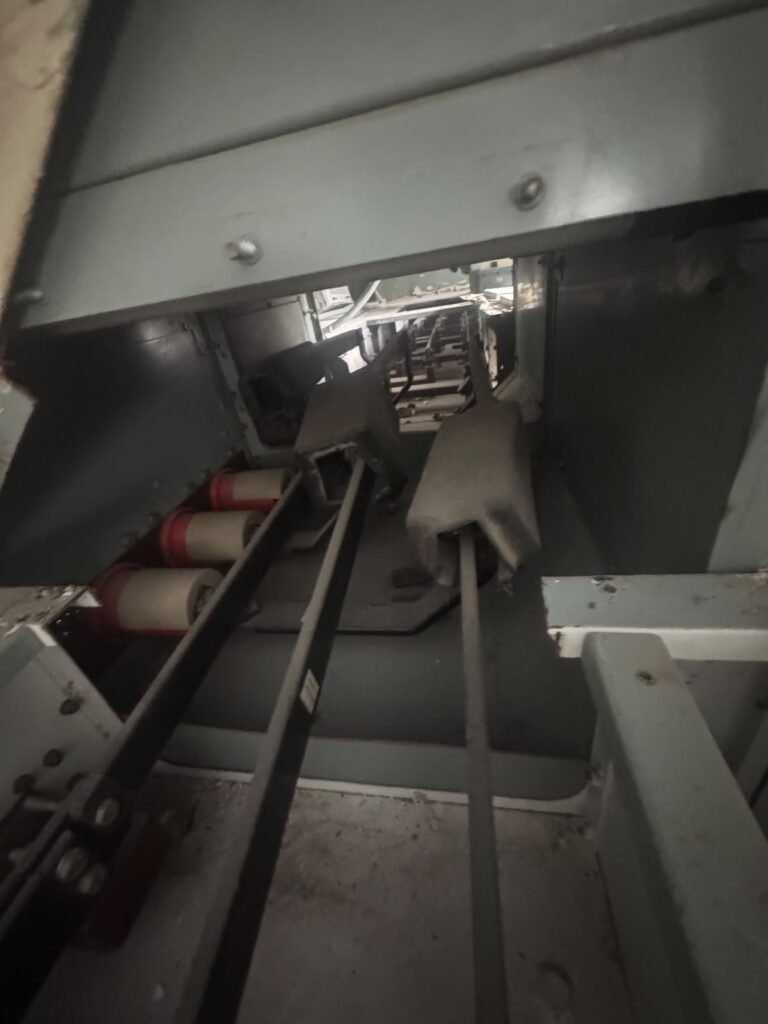
The following components are most vulnerable to contamination and insulation failure:
- Busbars
- Epoxy insulators
- Support insulators
- Spouts
- Cable termination compartments
- CT and PT insulation
- Breaker compartments
- Cable boxes
- Busbar joints
Regular inspection of these locations helps identify early signs of insulation deterioration before major failures occur.
Also Read:
How Partial Discharge Testing Prevents Transformer and Switchgear Failures : https://agilemicrosys.com/projects/partial-discharge-testing-transformer-switchgear/
Why Space Heaters and Insulating Sleeves Are Not Enough
Many industries attempt to protect HT panels by installing space heaters, anti-condensation heaters, or insulating sleeves. While these methods help reduce condensation, they do not address the root causes of insulation failure.
Space heaters can only reduce internal humidity when they are functioning correctly and continuously powered. If a heater fails or is switched off during maintenance, moisture can quickly accumulate inside the panel.
Similarly, insulating sleeves provide protection only to specific conductors. They do not protect exposed insulating surfaces such as epoxy insulators, busbar supports, spouts, or cable termination areas where contamination and leakage currents commonly develop.
Therefore, many HT panels continue to experience tracking and flashover despite having heaters installed.
How RTV Silicone Coating Works
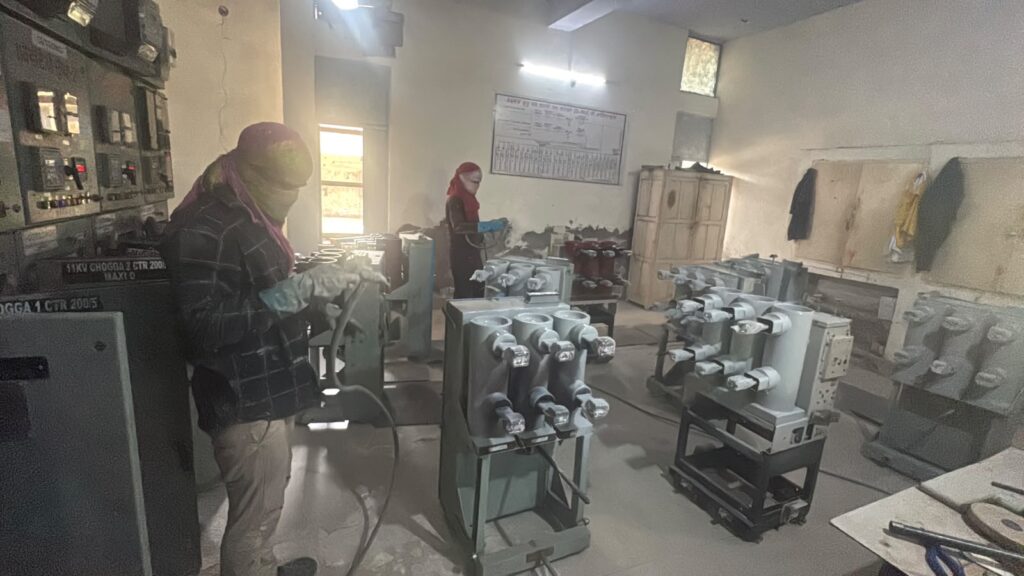
Unlike temporary protection methods, RTV (Room Temperature Vulcanizing) Silicone Coating creates a permanent protective barrier over insulating components.
Once applied, the coating cures at room temperature and forms a flexible silicone layer with excellent electrical insulation properties.
Its key feature is its ultra-hydrophobic surface.
Instead of allowing water to spread across insulation surfaces, RTV Silicone Coating forces moisture to form tiny droplets.
These droplets roll away naturally, carrying dust and contaminants with them.
As a result, leakage current cannot easily develop, dramatically reducing the chances of tracking, arcing, and flashover.
Why Ultra-Hydrophobic Properties Matter
One of the biggest advantages of RTV Silicone Coating is its ability to maintain hydrophobicity even in highly contaminated environments.
When dust settles on untreated insulation, moisture creates a conductive film across the surface.
However, on an RTV-coated surface:
Water beads into droplets
Dust is washed away naturally
Leakage current is minimized
Insulation performance remains stable
Consequently, this self-cleaning behaviour significantly improves long-term equipment reliability.
Benefits of RTV Silicone Coating to Prevent HT Panel Flashover
Properly applied RTV Silicone Coating provides several long-term benefits:
- Prevents tracking, arcing, and flashover.
- Improves dielectric strength of insulating surfaces.
- Protects busbars, epoxy insulators, spouts, and support insulators.
- Reduces insulation failures caused by moisture and contamination.
- Helps prevent corrosion of metallic components.
- Extends the operational life of HT panels.
- Reduces maintenance frequency and cleaning costs.
- Improves system reliability during monsoon and winter seasons.
- Suitable for both indoor and outdoor HT equipment.
- Delivers protection for more than 10 years under normal operating conditions.
Where RTV Silicone Coating Protects HT Panels from Flashover
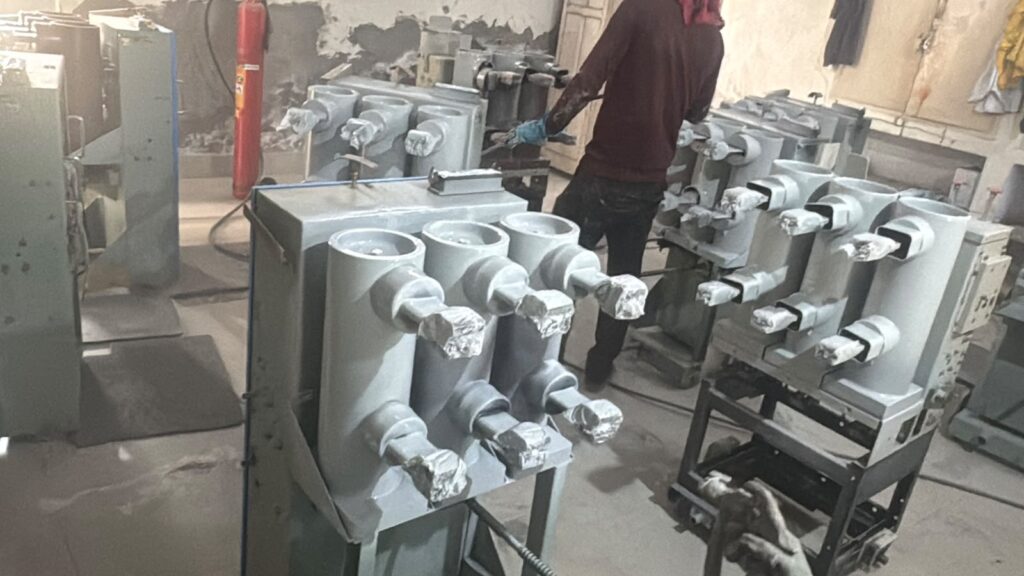
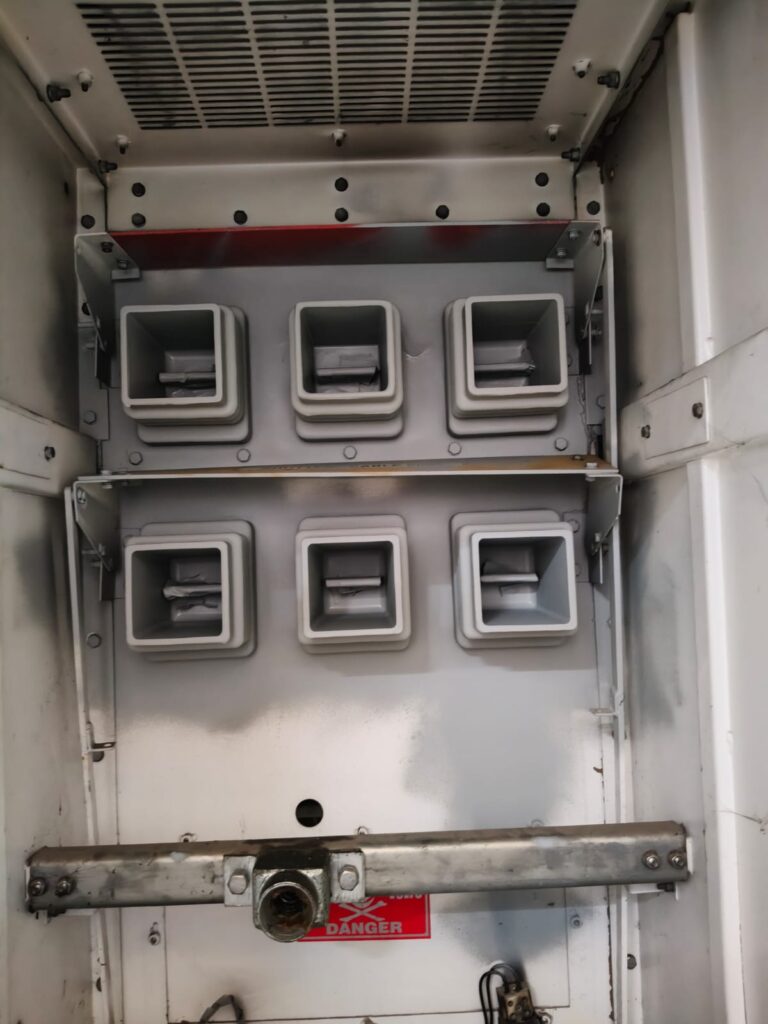
RTV Silicone Coating is suitable for a wide range of HT equipment, including:
- HT incoming panels
- HT outgoing panels
- Busbars
- Epoxy insulators
- Support insulators
- Spouts
- Cable boxes
- Indoor switchgear
- Outdoor switchgear
- Ring Main Units (RMUs)
- Metal-clad switchgear
The coating enhances insulation reliability across all critical insulating components.
Real Project Experience
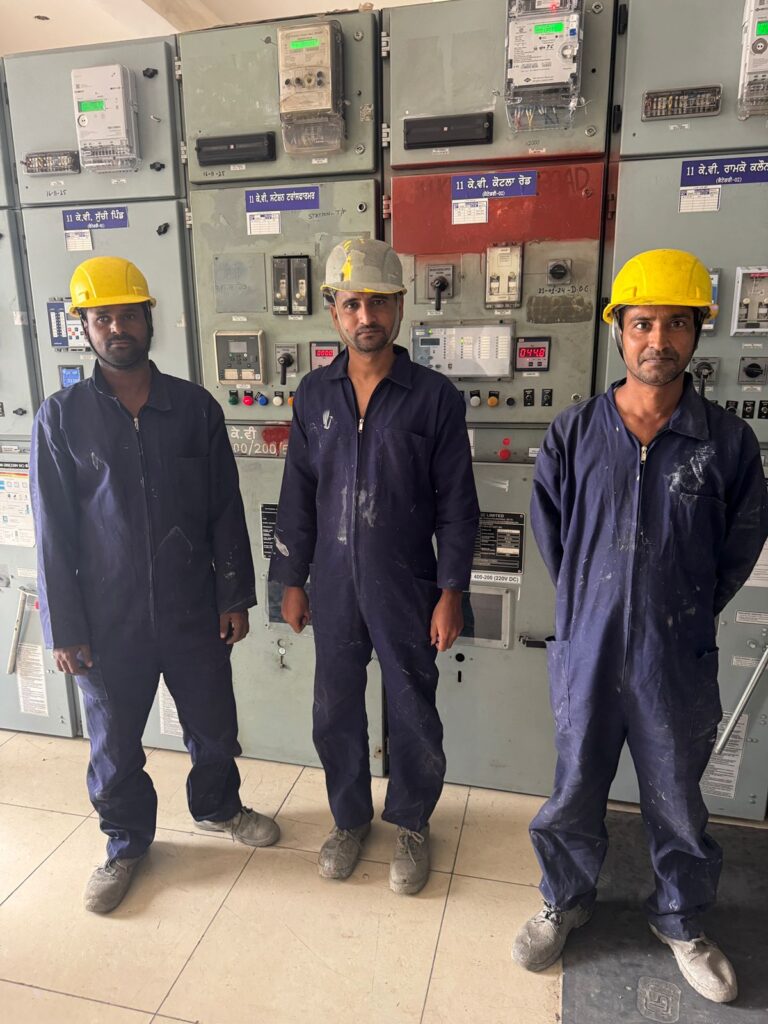
Agile Microsys Pvt. Ltd. has successfully completed RTV Silicone Coating on more than 2,000 HT panels across India with an excellent performance record.
Projects have been executed for major utilities, power companies, defence organizations, and industrial customers operating in highly polluted, humid, coastal, and dusty environments.
Some of the organizations that have trusted RTV Silicone Coating solutions include:
- Punjab State Power Corporation Limited (PSPCL)
- Tata Power Delhi Distribution Limited (TPDDL)
- Tata Power Mumbai
- Naval Dockyard, Visakhapatnam
- Military Engineering Services (MES)
- Jindal Steel & Power Limited
- Noida Power Company Limited (NPCL)
- Adani Power Limited
These projects have demonstrated significant improvements in equipment reliability while reducing maintenance requirements and unplanned shutdowns.
Industries That Benefit
RTV Silicone Coating is widely used in:
- Power Utilities
- Cement Plants
- Steel Plants
- Chemical Industries
- Oil & Gas Facilities
- Railways
- Defence Installations
- Ports and Coastal Industries
- Mining Operations
- Manufacturing Plants
Facilities operating in coastal or highly polluted environments gain the greatest long-term benefits.
Why Choose Agile Microsys Pvt. Ltd.
Agile Microsys Pvt. Ltd. specializes in industrial reliability solutions for electrical assets.
Our RTV Silicone Coating solutions use CSL Silicones (Canada), one of the world’s leading manufacturers of high-voltage silicone coatings.
Our experienced application team follows standardized inspection, cleaning, surface preparation, coating application, and Dry Film Thickness (DFT) verification procedures to ensure consistent quality and long-term performance.
Conclusion
HT panel failures during monsoon are rarely caused by electrical equipment alone.
In most cases, moisture, contamination, and surface leakage gradually reduce insulation performance until tracking, arcing, and flashover occur.
Temporary solutions such as cleaning, space heaters, and insulating sleeves help only for short periods.
RTV Silicone Coating offers a proven long-term solution by creating an ultra-hydrophobic protective barrier that improves insulation reliability, prevents contamination, and significantly reduces maintenance requirements.
For industries seeking higher reliability, improved operational safety, and longer equipment life, RTV Silicone Coating has become an essential part of preventive maintenance.
Frequently Asked Questions
1. What causes flashover in HT panels?
Flashover occurs due to moisture, dust, industrial pollution, and reduced insulation strength that allow electrical discharge across insulating surfaces.
2. How does RTV Silicone Coating prevent tracking?
RTV Silicone Coating creates an ultra-hydrophobic barrier that repels moisture and minimizes leakage current.
3. Can RTV Silicone Coating be applied to indoor HT panels?
Yes. It is suitable for both indoor and outdoor HT equipment.
4. How long does RTV Silicone Coating last?
When applied correctly, it can provide reliable protection for more than 10 years under normal operating conditions.
5. Which industries use RTV Silicone Coating?
Power utilities, cement plants, steel plants, railways, defence installations, chemical plants, ports, and manufacturing industries.
Explore more of our completed RTV Coating projects, thermal monitoring solutions, and predictive maintenance technologies by following Agile Microsys on LinkedIn and YouTube. Stay updated with our latest industrial projects, technical insights, and expert solutions.
Follow Us