Introduction
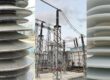
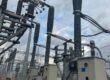
CT & Reactor Insulator Coating is an effective solution for protecting Current Transformers (CTs) and Reactors from contamination, moisture, leakage current, and flashover risks. Agile Microsys Pvt. Ltd. recently completed a CT & Reactor Insulator Coating project at an industrial facility in Odisha to improve insulation reliability and long-term equipment performance.
To improve insulation reliability and long-term performance, Agile Microsys Pvt. Ltd. successfully completed an RTV Silicone Coating project on Current Transformers (CTs) and Reactors at a major industrial facility in Odisha.
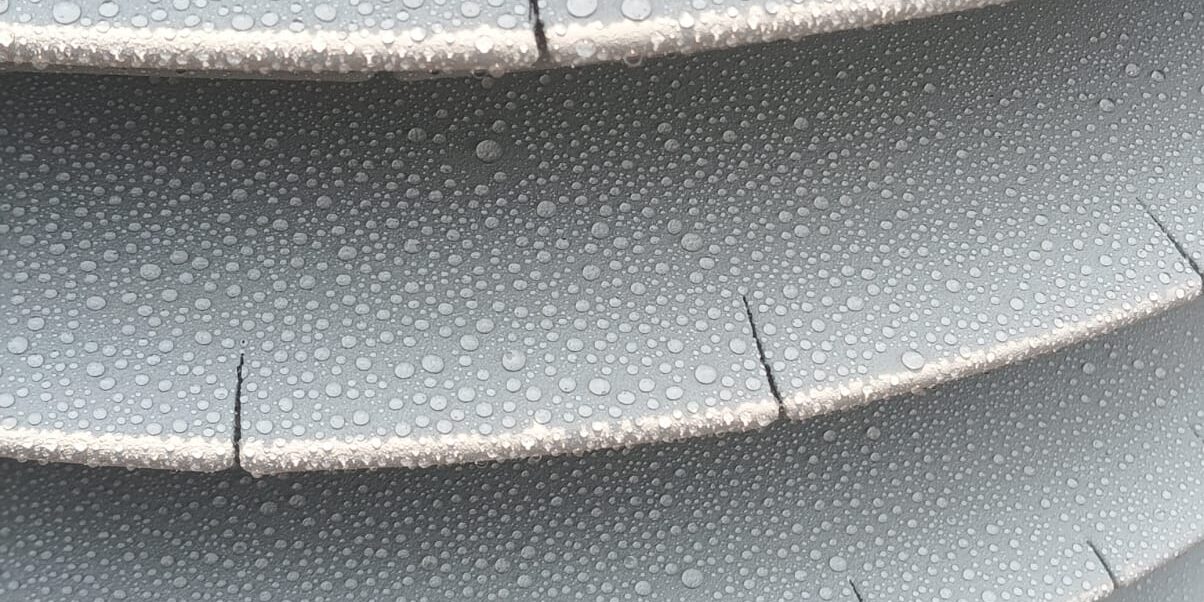
RTV Silicone Coating creates a hydrophobic protective layer that helps electrical insulation maintain its performance even under severe contamination conditions.
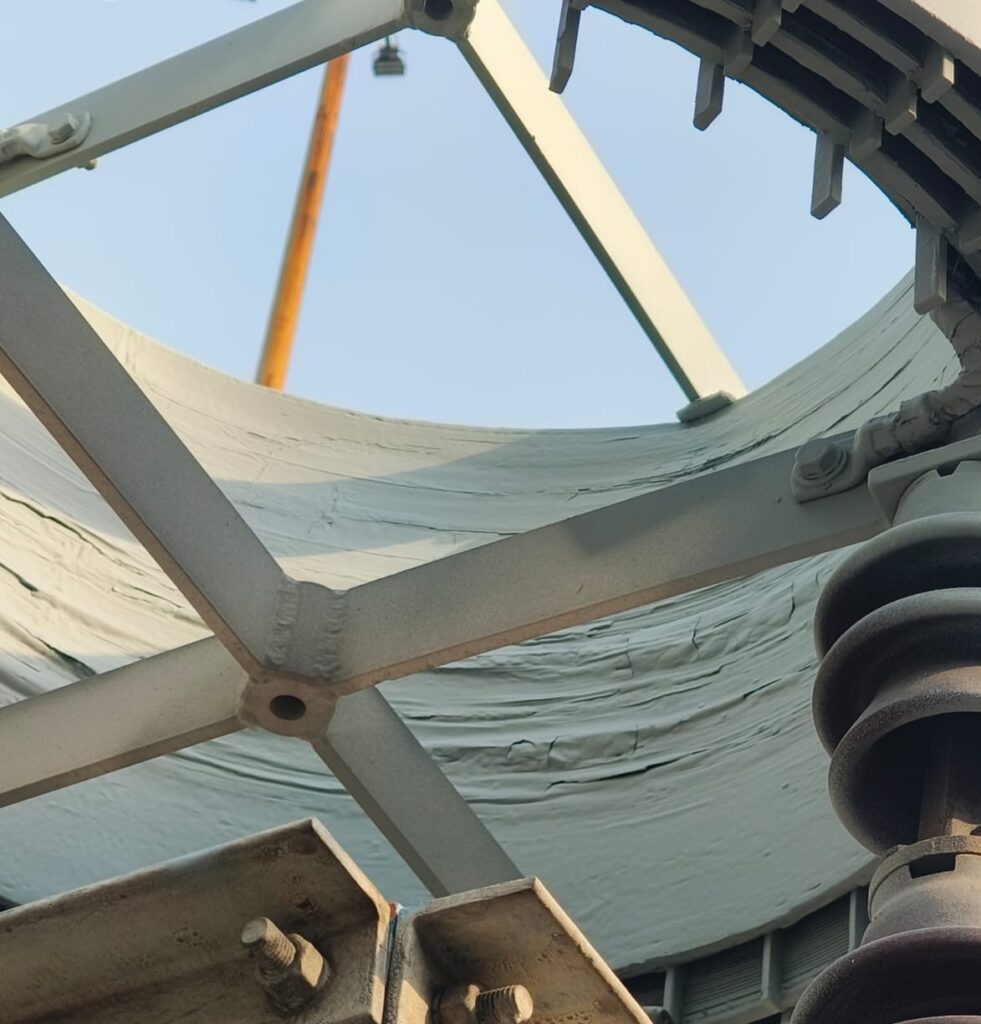
Why CT and Reactor Insulator Coating Is Important
Current Transformers and Reactors are critical assets in electrical networks. However, contamination combined with moisture can make insulation surfaces conductive. As a result, tracking, leakage current, and flashover incidents may occur.
RTV Silicone Coating offers several important advantages. First, it improves hydrophobicity and helps keep insulation surfaces dry. In addition, it reduces flashover risk in contaminated environments. Furthermore, it minimizes leakage current and improves operational safety. As a result, equipment life is extended while maintenance requirements are reduced. Ultimately, these benefits contribute to higher system reliability.
Learn more about our RTV services
Common Problems Caused by Contamination on Electrical Insulation
In industrial environments, electrical equipment is commonly exposed to several contamination sources, including:
- Dust
- Salt deposits
- Cement particles
- Sugar dust
- Chemical pollutants
- Moisture and humidity
Consequently, these contaminants may lead to:
- Tracking
- Flashover
- Insulation degradation
- Unplanned shutdowns
- Increased maintenance costs
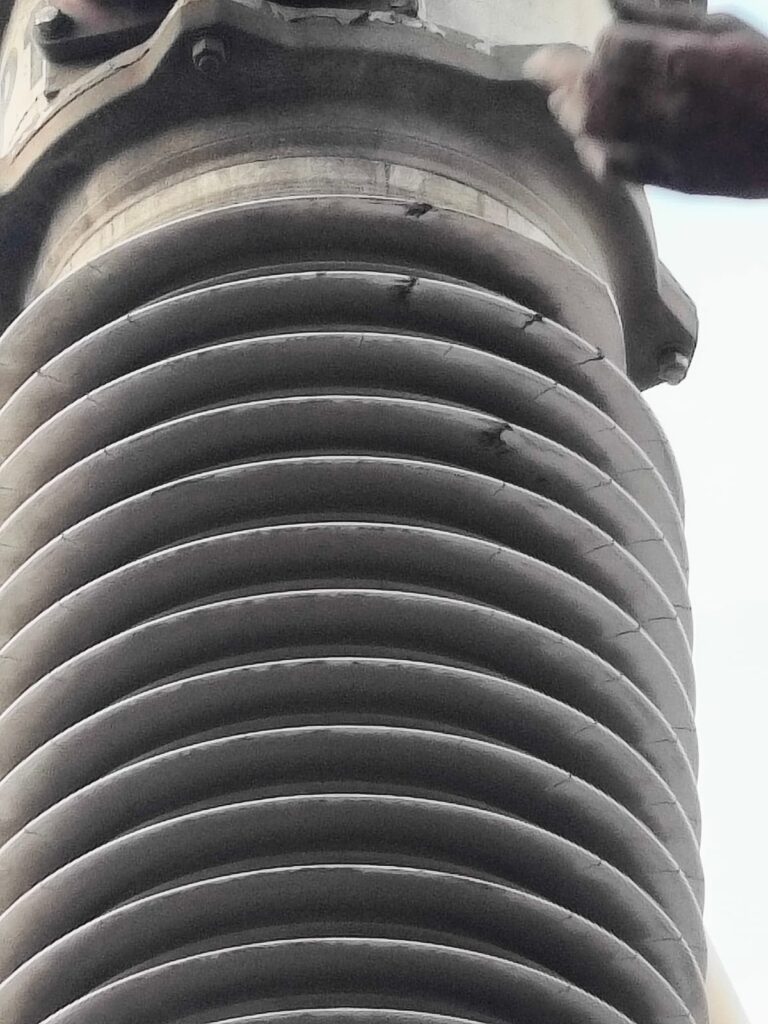
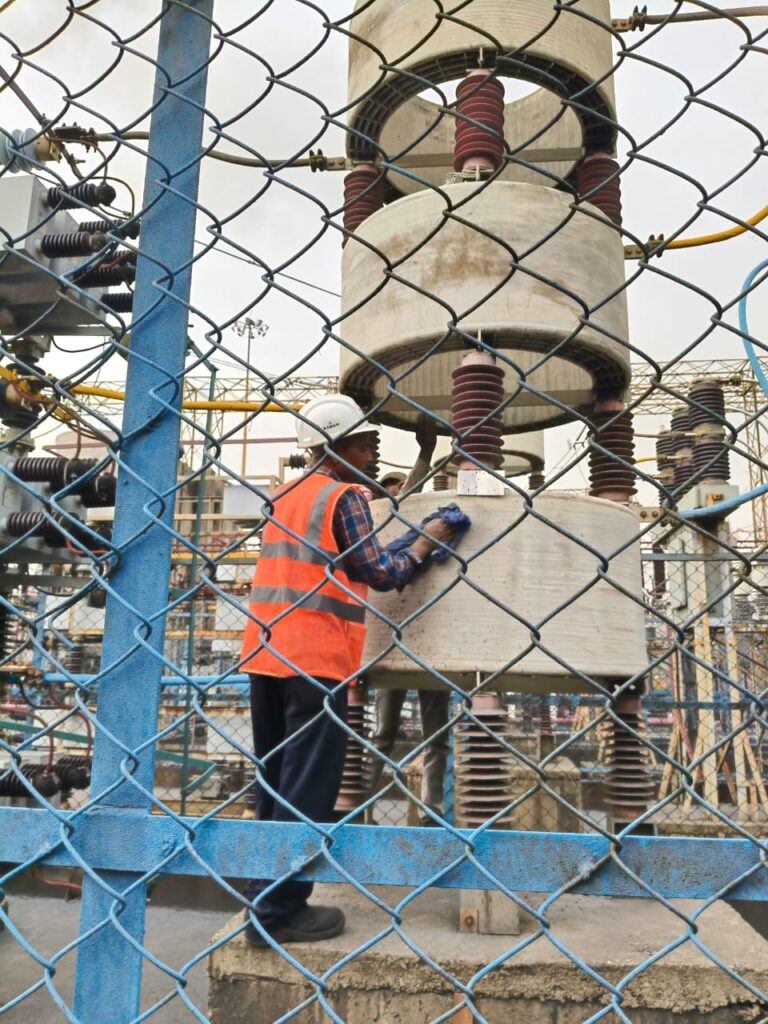
CT & Reactor Insulator Coating Application Process
To ensure long-term coating performance, the project was completed using a structured and carefully planned coating procedure.
Site Assessment
Before work began, the Agile Microsys team conducted a detailed inspection to evaluate contamination levels and insulation condition.
Surface Cleaning
Before coating application, all CT and Reactor surfaces were cleaned thoroughly. As a result, contaminants were removed and proper coating adhesion was achieved.
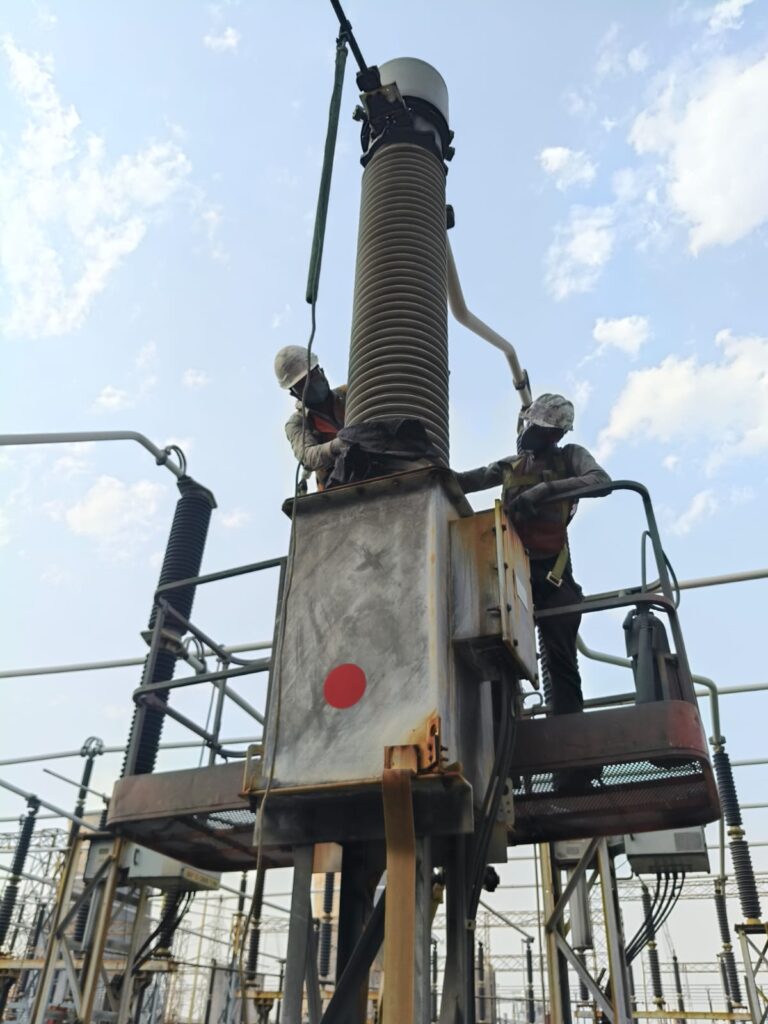
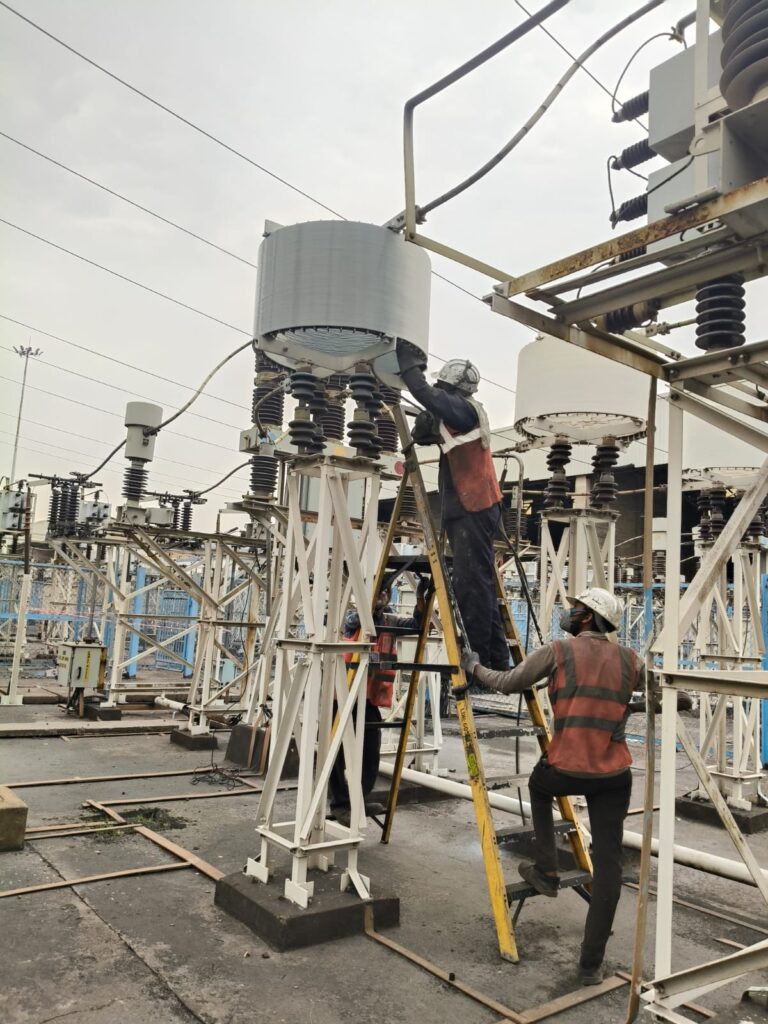
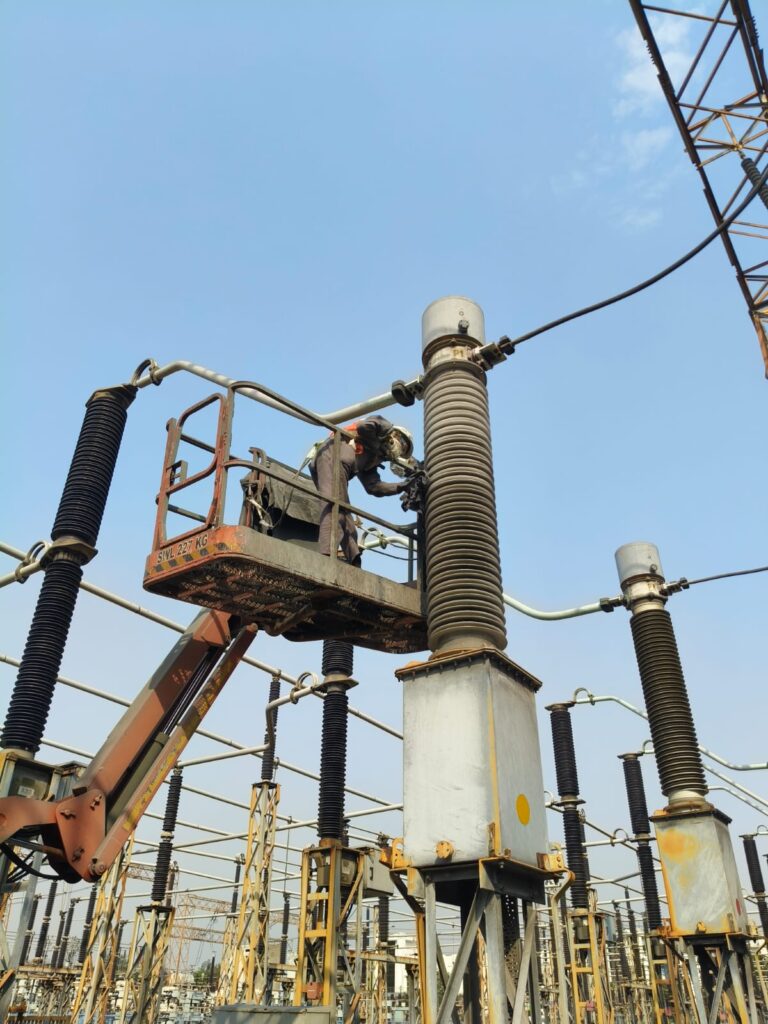
RTV Silicone Coating Application
After cleaning, RTV Silicone Coating was applied uniformly according to recommended standards. Furthermore, coating thickness requirements were carefully maintained throughout the application process.
Inspection and DFT Testing
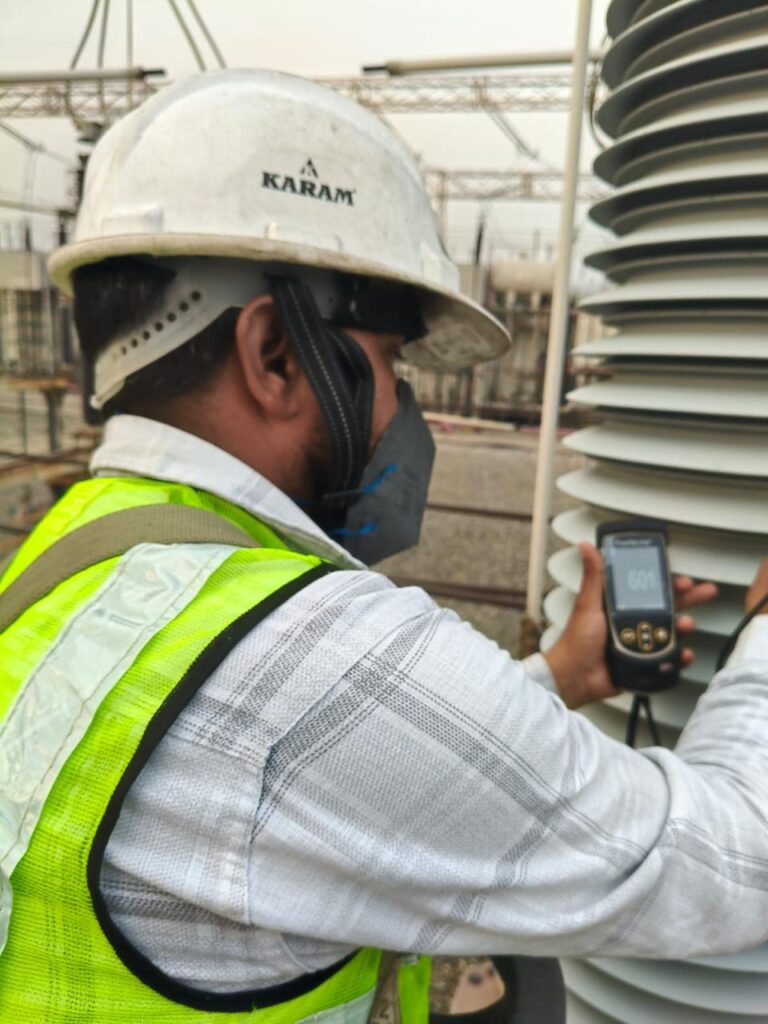
Following application, coating thickness was verified through DFT testing and visual inspection. Therefore, coating quality and consistency could be confirmed before project completion.
Benefits of CT & Reactor Insulator Coating
Improved Hydrophobicity
The protective silicone coating repels water and prevents conductive moisture films from forming.
Better Flashover Protection
The coating helps reduce the risk of flashover in polluted environments.
Reduced Maintenance Costs
Coated insulation requires less frequent cleaning.
Longer Equipment Life
The coating protects insulation surfaces from environmental degradation.
Higher Reliability
Electrical assets continue operating safely under contaminated conditions.
Therefore, facilities operating in highly contaminated environments can significantly improve equipment reliability. Moreover, protective coatings help reduce maintenance frequency and operational risks.
Hydrophobic Performance and Flashover Protection
One of the biggest advantages of RTV Silicone Coating is its ability to maintain hydrophobicity even after contamination accumulates. Therefore, insulation surfaces continue to resist moisture under challenging environmental conditions.
This helps prevent leakage current and improves insulation performance in:
- Power Plants
- Sugar Plants
- Cement Plants
- Steel Plants
- Renewable Energy Facilities
- Substations
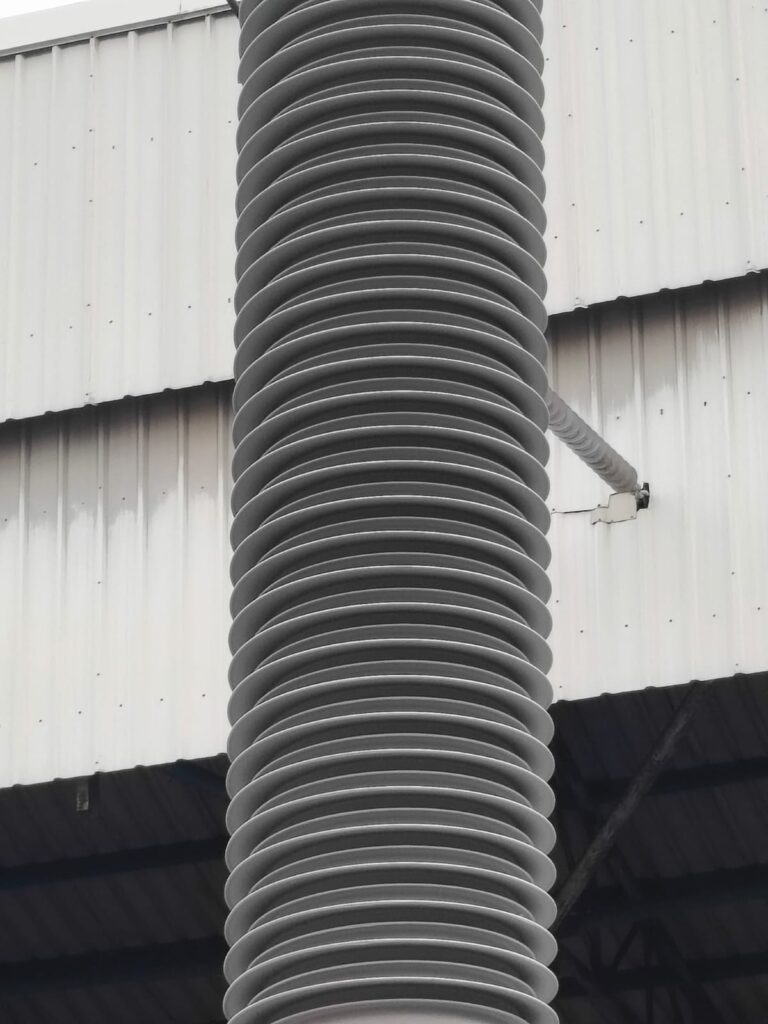
Project Overview
To ensure long-term insulation protection, the project included the following activities:
The project included several important stages:
DFT Testing to verify coating thickness
Site Inspection and condition assessment
Surface Preparation before coating application
Contamination Removal from insulation surfaces
RTV Silicone Coating Application on CTs and Reactors
Final Inspection of coated equipment
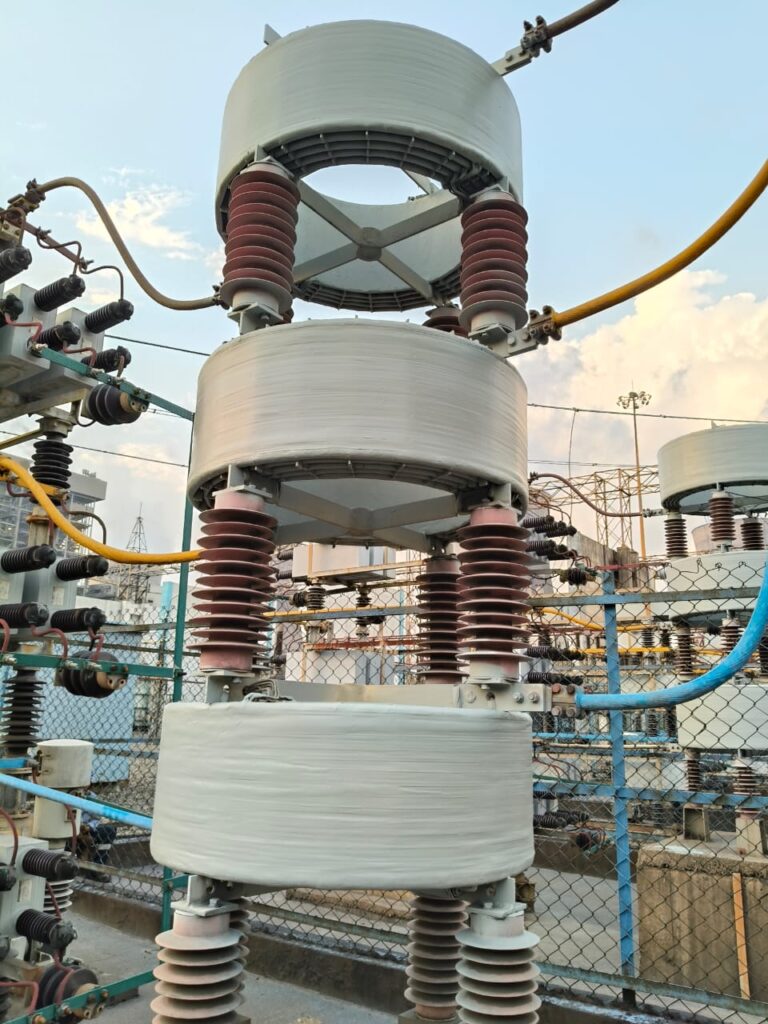
The completed project now provides long-term protection against contamination, moisture, and flashover risk.
Furthermore, the project was executed according to industry-recommended practices to ensure consistent coating quality and long-term performance. In addition, every stage was carefully monitored to achieve reliable results.
Download Free RTV Silicone Coating Guide
If you would like to understand RTV technology, hydrophobicity, flashover protection, and coating selection in greater detail, download our free guide below.
Download Free Insulator Protection Guide
Related Resources
RTV Silicone Coating Services
Contact Agile Microsys
Previous RTV Project
Thermal Imaging Services
Online Thermal Monitoring Solutions
Why Choose Agile Microsys Pvt. Ltd.
Agile Microsys Pvt. Ltd. provides specialized solutions for:
- RTV Silicone Coating
- Insulator Coating
- Thermal Imaging
- Online Thermal Monitoring
- Ultrasound Inspection
- Predictive Maintenance
Moreover, with extensive field experience across power, utility, sugar, cement, steel, and industrial sectors, our team helps improve equipment reliability and reduce maintenance challenges.
Contact Us
Website:
https://agilemicrosys.com
Phone:
+91-9582931318
Whether you operate a power plant, sugar plant, cement facility, or industrial site, our team can help with insulation protection requirements.
Contact Agile Microsys Pvt. Ltd. today for technical consultation, site assessment, and project support.
Follow for more update on :