Railway Networks Are Getting Faster — But Maintenance Challenges Are Growing
OHE thermal monitoring is becoming essential for modern high-speed railway networks because overheating in overhead catenary systems can lead to power failures, wire damage, and safety risks. As railway infrastructure expands, operators now use online thermal imaging systems to detect hotspots in real time and improve predictive maintenance.
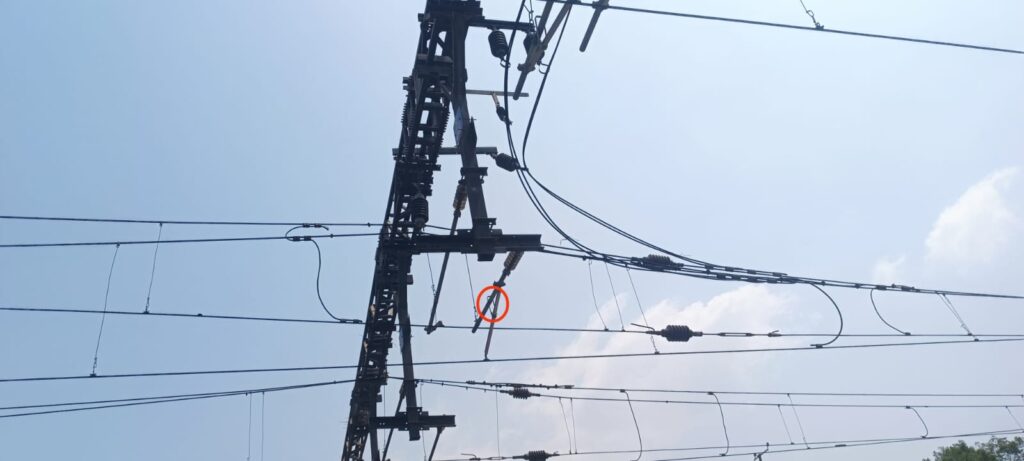
One of the most critical parts of railway infrastructure is the Overhead Catenary System (OHE/OCS), which continuously supplies power to moving trains. Even a small fault in the overhead line can create major operational problems. In many railway projects, overheating in contact wires, connectors, or insulators starts as a small issue but slowly develops into wire damage, electrical arcing, or unexpected power failure.
The real challenge is that these problems are often difficult to detect during normal operation. Traditional inspections usually happen during scheduled maintenance blocks, and manual inspections cannot continuously monitor the entire railway network in real time.
This is where Railway thermal monitoring becomes important.
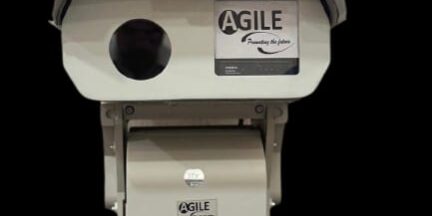
At Agile Microsys Pvt. Ltd., we work on advanced online thermal imaging solutions that help railway operators detect developing hotspots while trains are moving at high speed. Instead of waiting for failures to happen, thermal monitoring allows maintenance teams to identify abnormal heating early and plan corrective action before operations are affected.
Website:
Agile Microsys Pvt. Ltd.
Why Overheating in Railway OHE Systems Is a Serious Problem
Railway overhead equipment operates under constant electrical and mechanical stress. Components such as contact wires, droppers, clamps, connectors, and insulators experience continuous vibration, temperature variation, environmental exposure, and pantograph interaction.
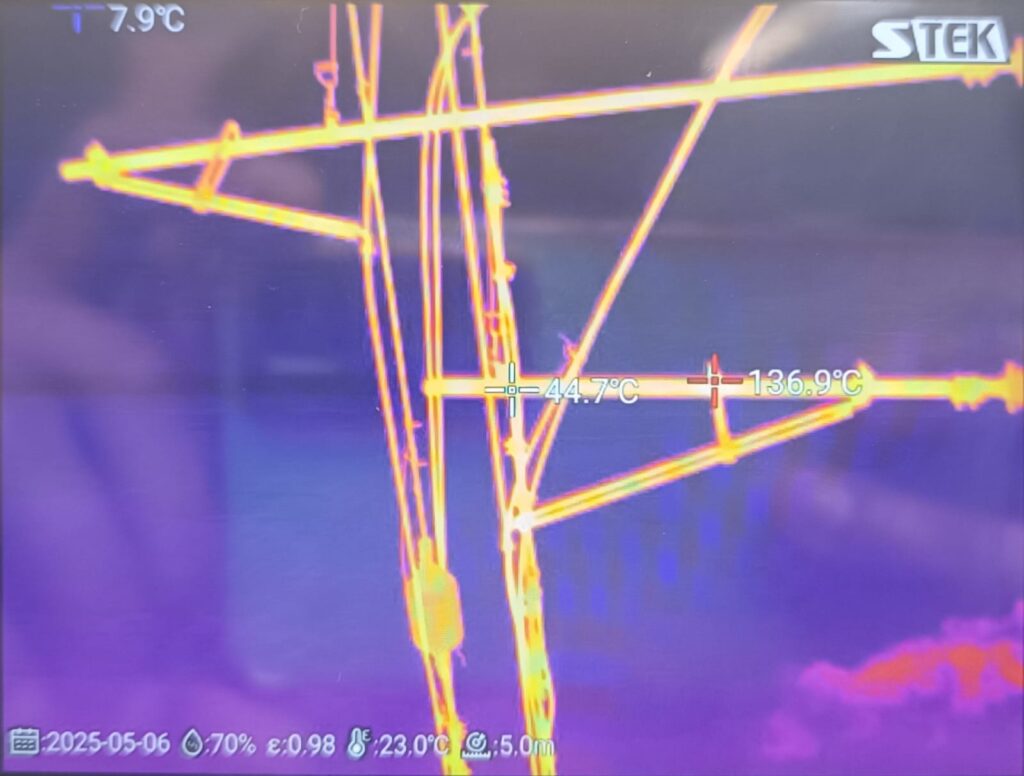
Over time, loose electrical joints or damaged components begin generating heat. Initially, the temperature rise may seem minor, but if operators fail to identify it early, the issue can become dangerous.
In high-speed railway operations, overheating may lead to:
- Contact wire damage
- Arcing between pantograph and catenary
- Power interruptions
- Reduced equipment life
- Unexpected shutdowns
- Safety risks for railway operations
For railway maintenance teams, the biggest concern is that these faults often develop gradually and remain invisible during normal visual inspection.
Real-Time Thermal Monitoring Changes the Maintenance Approach
Earlier, maintenance teams mainly depended on periodic inspections. However, modern railway systems require continuous monitoring because trains now operate at much higher speeds and tighter schedules.
Online thermal imaging systems completely change this approach.
Instead of checking equipment only during maintenance shutdowns, train-mounted thermal cameras continuously scan the overhead catenary system during operation. These cameras capture temperature patterns in real time and instantly identify abnormal hotspots.
This helps railway engineers:
- Detect overheating connectors early
- Monitor contact wire condition
- Analyze pantograph interaction
- Reduce manual inspection dependency
- Improve predictive maintenance planning
Most importantly, thermal monitoring helps prevent failures before they affect railway operations.
High-Speed Railway Inspection Is Not Simple
Thermal inspection in railway systems sounds straightforward, but in reality, it is technically demanding. Capturing clear and stable thermal images while a train moves at speeds up to 200 km/h requires advanced imaging technology.
Environmental conditions create additional complications. Wind, vibration, sunlight, rain, and dust can all affect thermal readings. Because of this, railway thermal monitoring systems must combine high-speed thermal cameras with intelligent analytics software.
The goal is not just to capture thermal images but to provide reliable data that maintenance teams can actually use for decision-making.
How Train-Mounted Thermal Monitoring Systems Work
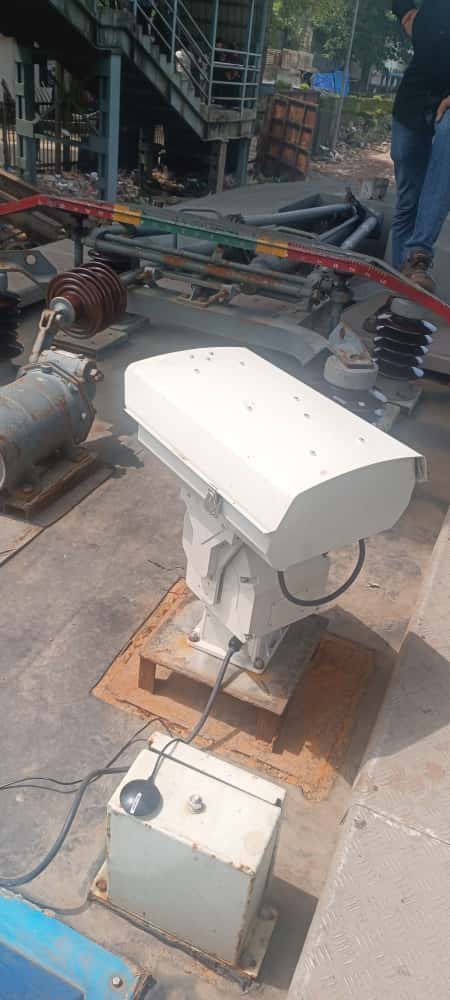
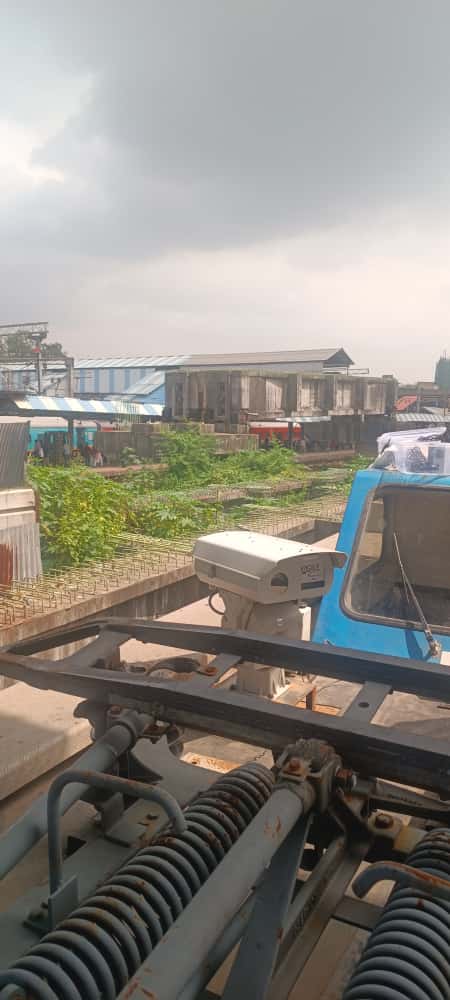
Modern OHE thermal monitoring systems use online thermal cameras installed on railway inspection vehicles or moving trains. As the train moves, the camera continuously scans overhead electrical equipment and records temperature data.
The system monitors:
- Contact wires
- Catenary wires
- Droppers
- Insulators
- Electrical connectors
- Clamps and joints
If any component shows abnormal heating, the system immediately generates an alert. Maintenance teams can then inspect the affected location before the fault becomes critical.
This approach improves both reliability and operational safety.
Why Railway Operators Are Moving Toward Predictive Maintenance
Railway organizations across the world are gradually shifting from reactive maintenance to predictive maintenance strategies. Instead of waiting for equipment failure, operators now prefer technologies that provide early warning signs.
Thermal monitoring fits perfectly into this strategy because temperature rise is often one of the earliest indicators of electrical or mechanical problems.
By continuously monitoring thermal patterns, railway operators can:
- Reduce emergency shutdowns
- Improve maintenance planning
- Increase equipment life
- Minimize operational disruption
- Improve passenger safety
As railway infrastructure becomes smarter, thermal imaging systems will become a standard part of modern maintenance operations.
Agile Microsys Thermal Monitoring Solutions for Railways
Agile Microsys Pvt. Ltd. provides advanced thermal imaging and monitoring solutions for railway, industrial, and electrical applications. Our systems help industries improve safety, reduce downtime, and increase operational reliability through intelligent monitoring technology.
We provide solutions for:
- OHE thermal monitoring
- Railway hotspot detection
- Online thermal imaging systems
- Industrial predictive maintenance
- Electrical asset monitoring
LinkedIn:
Agile Microsys LinkedIn
YouTube:
Agile Microsys YouTube Channel
Final Thoughts
Railway infrastructure is becoming faster, smarter, and more demanding. Because of this, traditional maintenance methods alone are no longer enough to ensure safe and reliable operations.
Real-time OHE thermal monitoring gives railway operators the ability to detect developing faults early, reduce maintenance risks, and improve network reliability. As high-speed rail networks continue expanding, intelligent thermal monitoring systems will play an increasingly important role in railway safety and predictive maintenance.
Contact us:
Contact Agile Microsys Pvt. Ltd.